
ICCL: Serious questions raised by RTÉ Investigates require public inquiry
 Reading time: 6 minutes
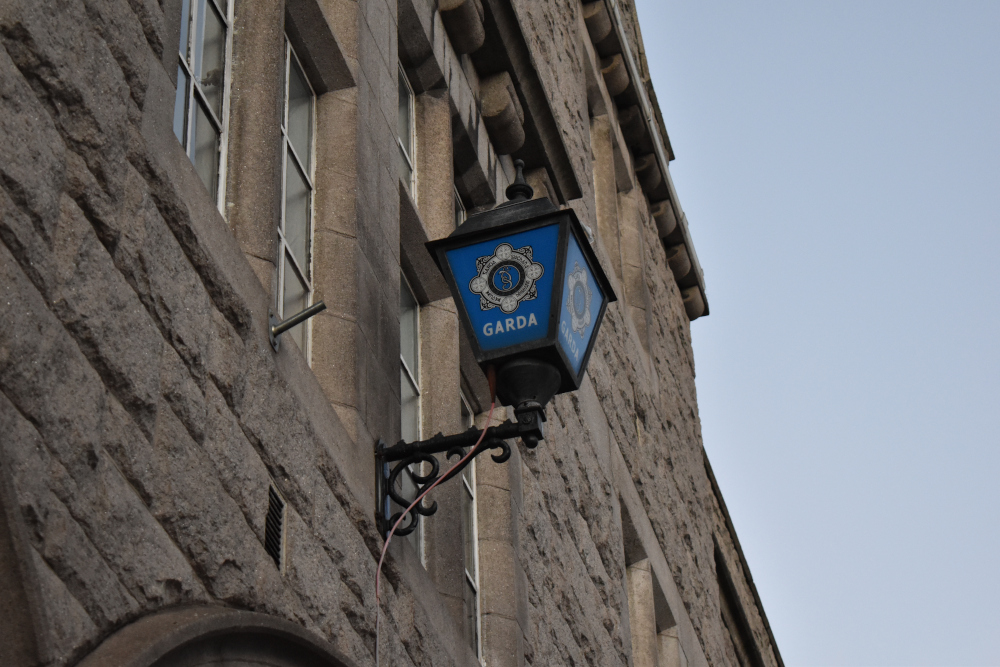
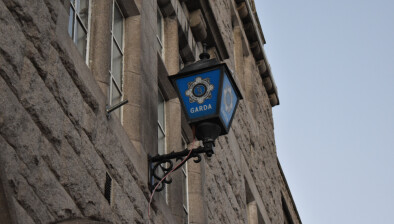
The Irish Council for Civil Liberties (ICCL) calls for an independent public inquiry after an RTÉ Investigates documentary has raised serious questions about An Garda Síochána’s treatment of whistleblowers.
Last week, an RTÉ Investigates documentary painted a very disturbing picture of practices within An Garda Síochána, based on the testimonies of four Garda whistleblowers and events stretching back several years.
Eight years on from the Disclosures Tribunal – set up in response to the revelations of Garda whistleblower Sgt Maurice McCabe and his treatment by An Garda Síochána – the documentary portrays a response to whistleblowers from An Garda which continues to fall seriously short.
The whistleblowers in the documentary allege that when they persisted in raising concerns about serious matters, they faced resistance, marginalisation, disciplinary action and penalisation. The whistleblowers include two managers responsible for overseeing the whistleblowing process who became whistleblowers in their own right due to their experiences.
The issues raised by the whistleblowing gardaí include very serious allegations about the handling of firearms, a missing gun and defective gun holsters which were central to the murder of one Garda and the serious injury of another.
These matters are of significant public interest and have the potential to seriously damage public trust and confidence in An Garda Síochána, as well as the trust of individual gardaí who want to come forward in the public interest but fear that to do so would involve great personal and professional cost.
A Garda protected disclosures process can only work if members can report suspected wrongdoing without fear of retaliation and if allegations are subjected to rigorous, independent, fair and timely investigation.
The documentary has raised a very important question:
When Garda whistleblowers come forward, does An Garda Síochána have a sufficiently independent process which is capable of protecting whistleblowers while establishing, case by case, what happened, who was responsible, what was known at the time and what action was taken?
Disclosures Tribunal
In October 2018, the Disclosures Tribunal found that then Garda Commissioner Martin Callinan, aided by his press officer Supt David Taylor, carried out a campaign of calumny against Garda whistleblower Sgt Maurice McCabe. One month earlier, the Commission on the Future of Policing in Ireland published its final report. These were landmark moments and were meant to herald a new era in Irish policing.
In his 2018 report, the tribunal chairman and then Supreme Court judge Mr Justice Peter Charleton outlined what he called “obligations of gardaí”.
Gardaí, he said, have an obligation to always be honest, visible and polite. The organisation must put its obligation to the public above any false sense of loyalty between officers and the impulse to stick up for each other; and it must self-analyse with a view to learning lessons for the future. He said efforts, at that point, were insufficient.
He also wrote that gardaí should report wrongdoing rather than protect colleagues or the organisation’s reputation; that problems should be exposed and investigated rather than contained; that senior management must examine its own conduct; that gardaí should critically examine failures rather than defensively justify them; that allegations should be tested against evidence; and that accused people must have fair treatment too.
Outstanding questions
In light of those obligations, the programme of reform within An Garda Síochána and this week’s documentary, there remain significant unanswered questions. If the public is to maintain trust and confidence in An Garda Síochána, and if Garda members themselves are to trust in the protected disclosures process, these questions deserve thorough and transparent answers.
ICCL notes that the Garda Representative Association and the Association of Garda Sergeants and Inspectors have each called for the establishment of an independent statutory inquiry. It appears that members of An Garda have lost trust in the protected disclosures process. This is deeply concerning.
ICCL believes that the matters raised in this week’s documentary require an independent public inquiry. Any exercise to establish the facts must be expedient; must have terms of reference which reflect the issues which need to be uncovered; and must answer the following questions:
- Were the serious concerns raised about firearms and safety properly investigated when they were first made?
- How did a gun seized by gardaí in 2009 come to be seized by An Garda Síochána again in 2023?
- Why was a shipping container used to haphazardly store all manner of firearms and weapons at Garda headquarters from 2008 to 2025?
- Why were only 154 firearms found in the container recorded on PULSE but 238 were not?
- Why were some firearms recorded as having been destroyed or being with a firearms dealer when they were actually in the container at Garda headquarters?
- Were Luke Rochford’s disclosures adequately examined when they were made?
- Were Det Supt Brian O’Reilly’s concerns about the holsters independently assessed by appropriately qualified experts?
- Why was Dr Donal Corcoran told he was no longer needed at the new protected disclosures unit?
- Why did Rose Sweeney not get answers to her questions about the examination of Rochford’s protected disclosures?
- Who closed the file on the Winchester shotgun and why wasn’t Sweeney told who closed it and why?
- Were the disciplinary or organisational actions against the whistleblowers legitimate and fair or were they penalised for making protected disclosures?
- Were protected disclosure files delayed, interfered with or closed without proper authority?
- Who investigates allegations when the people responsible for protecting whistleblowers become the people making the allegations themselves?
- Did senior Garda management interfere with individual protected disclosure investigations, delay them, pressure managers to close them, or penalise people involved in handling them?
- What steps has An Garda Síochána taken to create a culture which encourages members to raise concerns about colleague behaviour and practice?

Share this article:

Subscribe to our newsletter to not miss articles like this one:
 SUBSCRIBE