

KRW Law challenges Irish State over Troubles investigations
 Reading time: 4 minutes
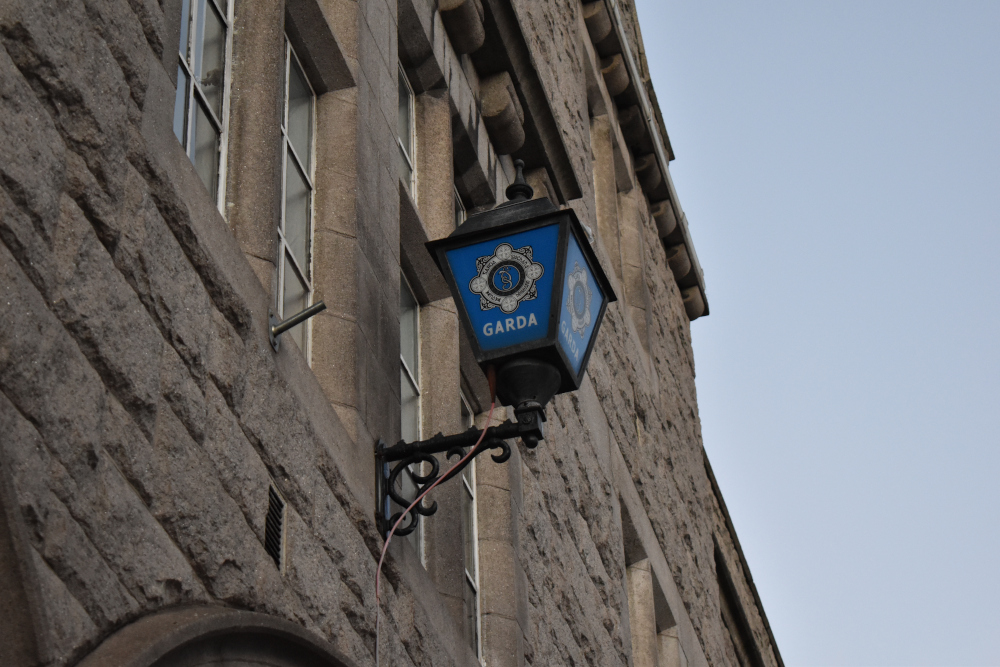
KRW Law has initiated formal legal action against Fiosrú, the Irish justice minister and the Irish Attorney General arising out of the State’s failure to establish an effective, independent mechanism capable of investigating Troubles related complaints concerning Garda misconduct, investigative failures and accountability issues.
The legal initiative is brought on behalf of Martin Farrell, son of Martin Doherty, who was murdered during a Loyalist gun attack at Widow Scallan’s Public House, Pearse Street, Dublin, on 21 May 1994.
Despite extensive engagement with Garda authorities and complaints later submitted to the Garda Síochána Ombudsman Commission (GSOC), no meaningful investigative outcome has ever been delivered. The pre action correspondence states: “Information was provided to An Garda Síochána identifying potential suspects… yet no effective investigative outcome followed and no meaningful explanation has ever been provided.”
The pre action letter also highlights:
- GSOC historically declined to investigate, relying on rigid statutory limitation rules.
- Their counterpart in the North of Ireland, PONI, accepted the complaint, recognising its seriousness, but its investigation was terminated following the Northern Ireland Legacy Act.
- No Irish body has accepted responsibility for investigating Garda related allegations arising from Troubles connected incidents.
- The result is “an investigative vacuum which continues to the present day.”
KRW Law states that Fiosrú have failed to engage with detailed submissions issued on 11 May 2026, which expressly invited the body to address jurisdiction, Article 2 European Convention on Human Rights (ECHR) obligations, and the accountability deficit created by the closure of cross border legacy investigations.
Kevin Winters, solicitor in KRW said: “With GSOC previously making it clear they had no remit to look at historic complaints arising from the conflict, hopes were raised that Fiosrú would fill this investigative void. However, to date that hasn’t happened.
“The inertia around investigating Troubles related complaints against Gardaí flies in the face of recent Irish Government pronouncements on cooperation with their British counterparts.
“It’s against this background that we were left with little option but to issue formal pre action correspondence against Fiosrú, the Minister for Justice and the Attorney General.”
KRW Law’s legal action follows the publication of Policing for Peace (ICCL/CAJ, 2024), which concluded that:
- “there are currently no systematic legacy investigative processes in the Republic of Ireland”;
- GSOC lacked powers to investigate historic Garda misconduct;
- an independent Historical Investigations Unit is required;
- cross border cases have been left without any investigative destination.
KRW Law states that the Doherty case is a “textbook example of the deficiencies identified in that report.”
Daniel Holder of Belfast-based human rights group the Committee on the Administration of Justice (CAJ) said: “It was long established as a requirement of human rights law that the Police Ombudsman in the north had to investigate allegations of human rights violations committed by the RUC. Police could not investigate themselves. One Police Ombudsman had to resign when obligations for such independent legacy investigations were thwarted.
“This legal obligation stems from the ECHR, which is a cornerstone of the Good Friday Agreement and applies both north and south, the same duties apply. It’s not an option to just have no independent mechanism to investigate these cases.”
Joe O’Brien of the Irish Council for Civil Liberties (ICCL) added: “ICCL has consistently warned that the Irish State is failing people who experienced human rights violations and miscarriages of justice. Ireland has clear legal obligations to address and investigate these incidents. And yet, there are countless victims, survivors and families in Ireland who have never learned the full truth of what happened to them or their loved one, or seen justice done.
“The lack of any systematic legacy investigative processes in the South must be remedied. We have recommended and continue to campaign for the establishment of an independent Historical Investigations Unit which would allow for effective and independent investigations of these issues. The Garda Troubles Legacy Liaison Unit, set up this year, does not come close to fulfilling the State’s responsibilities under the European Convention of Human Rights.”
KRW Law concludes stating that the Irish Government continues to criticise the UK’s legacy arrangements in Strasbourg while failing to provide any equivalent Article 2 compliant mechanism for victims whose complaints arise within its own jurisdiction and that inconsistency is now unsustainable.
KRW Law is seeking a declaration of unlawfulness; an order requiring Fiosrú to determine the complaints; and confirmation that the State is in continuing breach of its Convention obligations.

Share this article:

Subscribe to our newsletter to not miss articles like this one:
 SUBSCRIBE