


Irish public rejects State breaking of encryption
 Reading time: 6 minutes
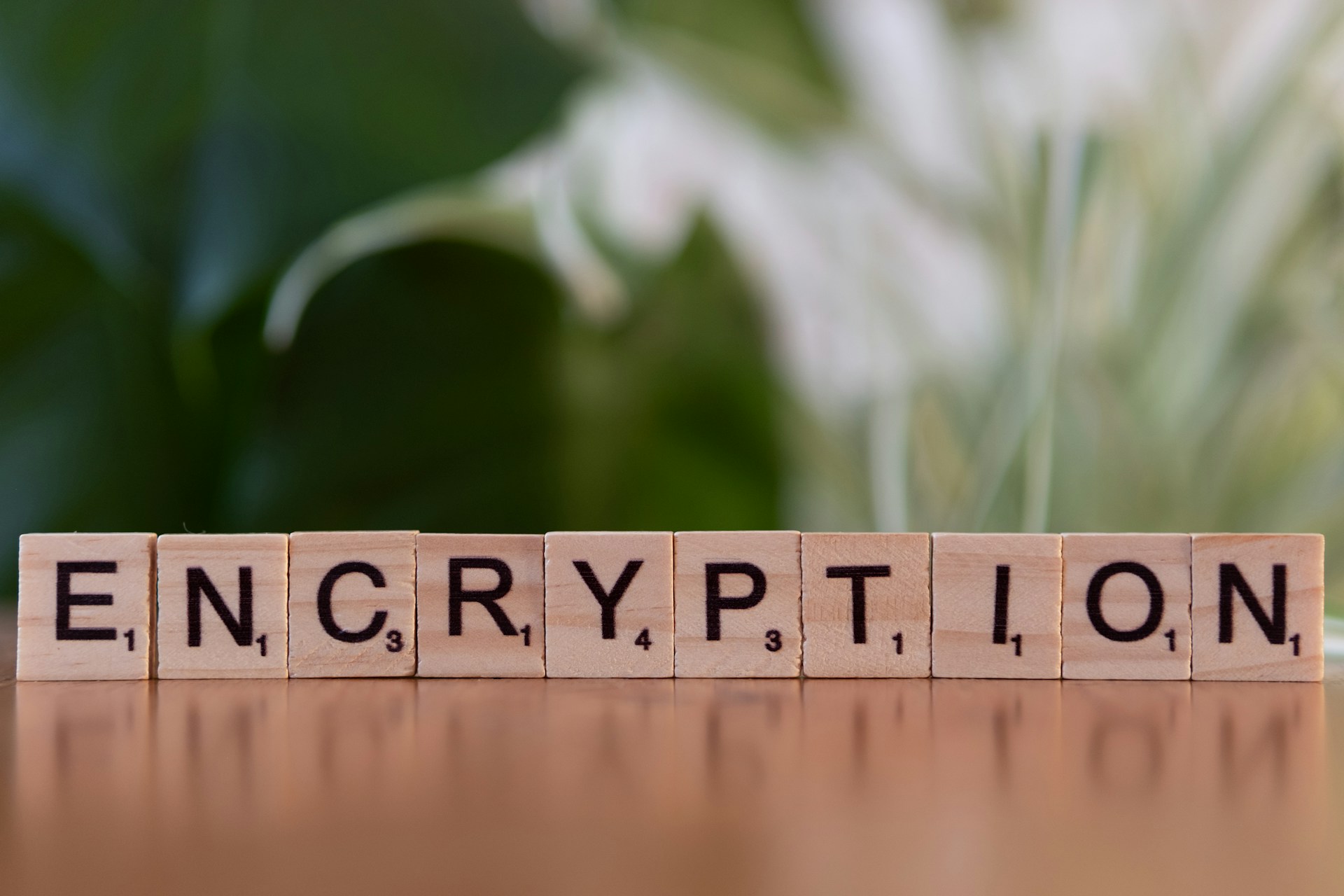
The first Irish opinion poll on public sentiment about encryption has found that the Irish public overwhelmingly believes (93 per cent) they have the right to private conversations online. 90 per cent say nobody should be able to access their private messages without a court order.
Two-thirds (66 per cent) also say the government should not have the power to access encrypted messages, citing a lack of trust in the current or a future government to have that power. This distrust spans across political affiliations with majorities of Fianna Fáil, Fine Gael, Sinn Féin, Independent and other party voters expressing reservations.
The research, which was carried out by Public First and commissioned by the Center for Democracy and Technology (CDT), follows an announcement by the justice minister Jim O’Callaghan earlier this year that he plans to table legislation that would give gardaí interception powers for “all forms of communications whether encrypted or not”.
The proposed legislation would therefore include encrypted messaging services such as WhatsApp and Signal – used by millions of people across Ireland including journalists, gardaí and politicians.
The polling, which is published on Global Encryption Day (21 October), also follows an international group of cybersecurity experts, companies and civil society organisations last year publishing an open letter to the Irish government, expressing their serious concern about the government’s support for breaking encryption through Irish and EU legislation.
The survey found significant and clear distrust among the Irish public about State access to private conversations, with large majorities of the Irish public raising concerns about the implications such powers would have for security and people’s right to freedom of expression.
An overwhelming majority of the Irish public is alive to the significant risks of breaking encryption for security services, with 86 per cent concerned it could open vulnerabilities to make it easier for hackers and criminals to access personal information. Similarly, a vast majority (86 per cent) say it could lead to a misuse of power by An Garda Síochána.
Overall, 58 per cent said the security risks to the public outweigh the benefits to law enforcement, with just 26 per cent saying the opposite.
Asked to imagine that law enforcement could access encrypted messages at any time without users’ knowledge or prior court approval, 86 per cent of respondents say they are concerned that this could result in an invasion of their personal privacy. 79 per cent say such access could discourage freedom of expression or open communication across the country. 68 per cent say such access would make them more cautious about what they comment on, like or share online.
Majorities of the public also identify the risks to particular groups of people. 72 per cent say it could make it more difficult for journalists to communicate confidential information; while 70 per cent say it could make it more difficult for activists to communicate freely.
Speaking today, Tom Bowman, policy counsel, security & surveillance, CDT, said: “Minister O’Callaghan is proposing these powers on the premise they are necessary, but the public doesn’t buy it. Instead, what we see in Ireland is the same we’ve seen in polls around the world: people understand that undermining encryption threatens their privacy, and they don’t like it. Police have a lot of tools at their disposal, and it’s important that we look to those first before granting enormous new powers. The Irish public doesn’t think that standard has been met.”
Olga Cronin, head of policy, Irish Council for Civil Liberties (ICCL), said: “This first Irish opinion poll on public sentiment about encryption clearly shows that the Irish public instinctively knows that to be able to communicate privately and securely is intrinsic to our lives, relationships and a free society. Not only does the public understand the value of privacy and security, they see the dangers inherent in removing it. They are clearly telling us that they will change their behaviours and self-censor if the government follows through on Minister O’Callaghan’s promise and breaks encryption. They see the risks that the Minister can’t or won’t see: a backdoor for An Garda Síochána is a potential backdoor for hackers and criminals.”
Dr TJ McIntyre, Digital Rights Ireland, said: “The overwhelming majority of the public recognise that undermining encryption would enable abusive access to our most private communications: by tech firm insiders, by hackers, and by police themselves. We have already seen multiple cases of gardaí and Garda employees abusing the PULSE database – to sell personal information to criminals, to stalk women, and to snoop on celebrities – and there’s every reason to believe that this power could be abused in the same way.”
Brian Honan, former advisory board member for the EU’s Cybersecurity Agency, ENISA, and Ireland’s former special adviser on cybersecurity to Europol, said: “The Irish public is right to be concerned about weakening encryption. The choice is very simple, we can have strong encryption that protects everyone online, even though criminals will abuse it, or weak encryption that leaves everyone vulnerable to criminals and hostile actors. There is no such thing as a backdoor that only the good guys can use. Weakening encryption in the name of fighting crime risks making the internet less secure for us all.”
Gerard Cunningham, chair of the National Union of Journalists (NUJ) Dublin Freelance Branch and Treasurer of the NUJ Irish Executive Council, added:
“The right to protect sources and confidential information is enshrined in EU law, in Article 10 of the European Convention of Human Rights guaranteeing freedom of expression and as outlined in cases like Goodwin v United Kingdom, which was supported by the NUJ, reflecting our longstanding commitment to source protection.
“But in addition to that, the right to privacy is universal, not just something that concerns journalists. We only have to look at international news headlines on any given day to see how private information can be abused by malicious actors.”

Share this article:

Subscribe to our newsletter to not miss articles like this one:
 SUBSCRIBE