

Equality Commission responds to debate on Conversion Practices (Criminalisation) Bill
 Reading time: 3 minutes
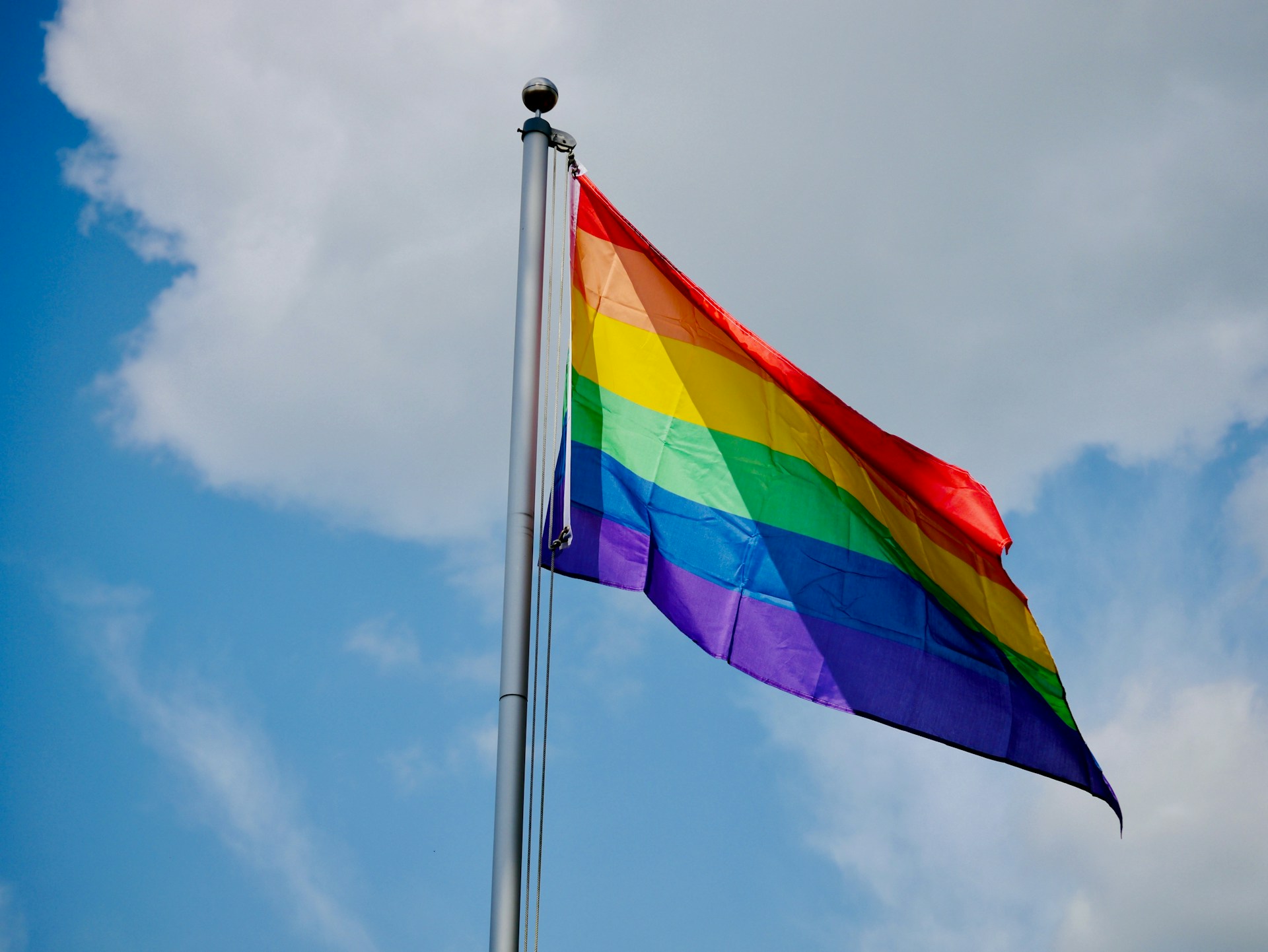
The NI Assembly debated the Conversion Practices (Criminalisation) Bill yesterday. Introduced by Upper Bann MLA and Alliance deputy leader Eóin Tennyson the Bill would create an offence of the provision of conversion therapy with the intent of changing or supressing a person’s sexual orientation or gender identity where the victim suffers physical or psychological harm as a consequence.
The offence would be punishable by 12 months imprisonment on summary conviction or up to two years imprisonment on conviction on indictment.
Opening the debate Mr Tennyson stated that the ban would be “comprehensive” and that he is seeking to ensure that people are not “shamed and humiliated simply because of who they are or who they love”. He refuted suggestions that such practices are “a relic of some distant past”, but that they persist in society today.
There was opposition to the Bill from DUP MLAs, with Peter Martin querying whether the Equality Commission had formally endorsed the Bill. This prompted the Equality Commission to release a statement while the debate was ongoing.
Geraldine McGahey, chief commissioner, Equality Commission for Northern Ireland said: “The Commission has noted the recent media coverage and is listening to today’s NI Assembly debate on the Conversion Practices (Criminalisation) Bill. It would appear there may be some misunderstanding regarding the role of the Equality Commission for Northern Ireland and the equality duties more generally.
“Private member’s bills going through the NI Assembly are not subject to the equality and good relations duties imposed by Section 75 of the Northern Ireland Act 1998. Therefore, at this stage, there is not a requirement for this Bill to comply with any aspect of these duties. The Equality Commission is not empowered to conduct equality impact assessments on behalf of public bodies.
“However, should this Bill become legislation, the performance of any functions that it gives to, or imposes on, a designated public authority will be subject to obligations under Section 75 and their associated equality scheme, although this does not apply to the Public Prosecution Service relating to the prosecution of offences.
“The Commission’s statutory remit derives largely from the anti-discrimination laws. The issue under consideration is obviously wider than those addressed by the provisions of anti-discrimination law and will rightly involve health professionals and the justice system amongst others.
“In terms of equality, it’s our view that any legislation in this area needs to be based on international human rights standards and best practice and that actions to end conversion practices should not deny access to appropriate counselling and support in psychological, medical, faith-based and domestic settings.
“The Commission will respond to the Committee for Communities call for evidence in due course.”
The Bill will now pass to committee stage and the Committee for Communities is seeking views on the proposals contained in the Bill.

Share this article:

Subscribe to our newsletter to not miss articles like this one:
 SUBSCRIBE