
Written by:

Review: When the CIA believed in the power of the pen
 Reading time: 4 minutes
Written by:
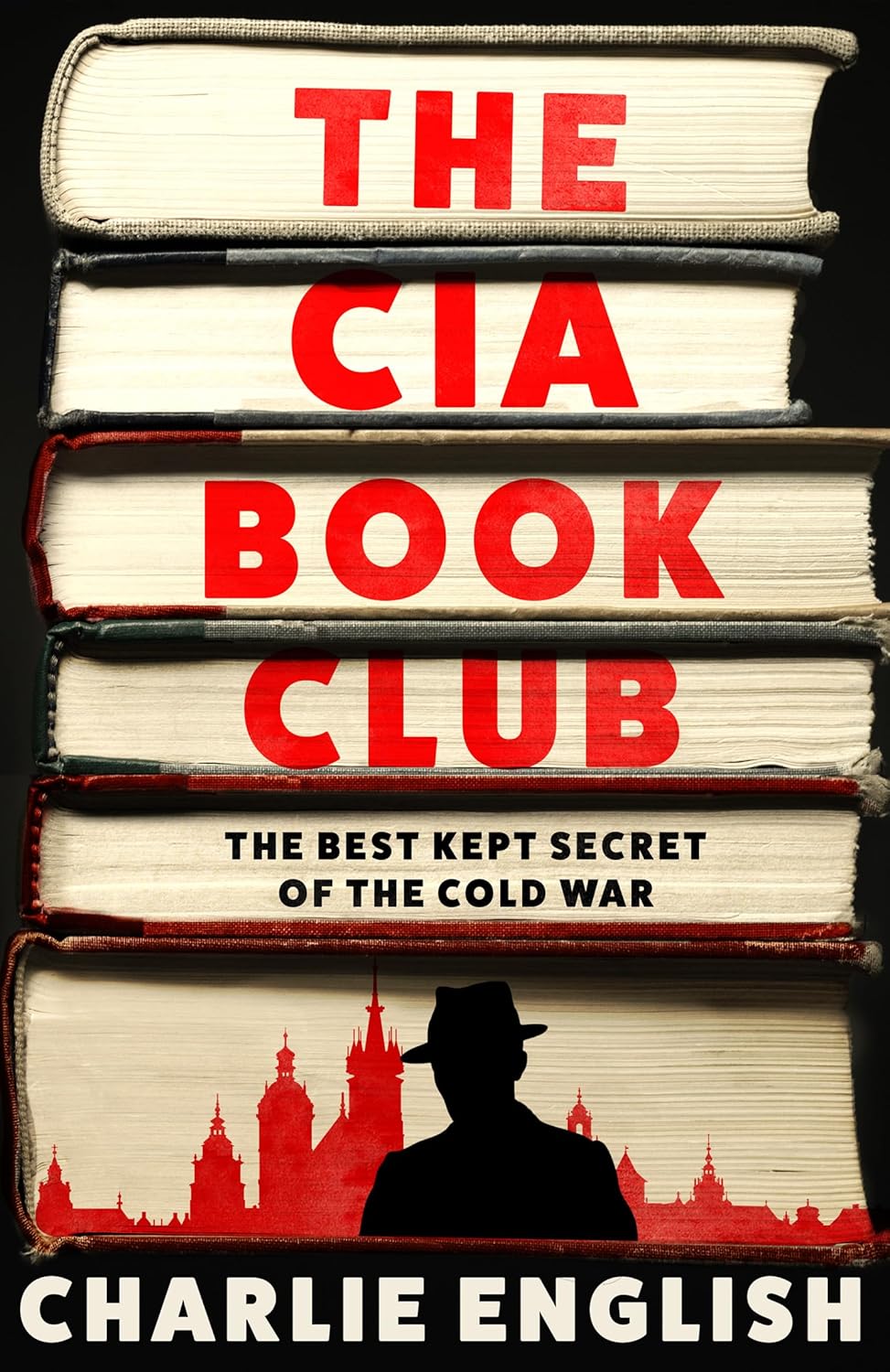
The ‘CIA book program’ during the Cold War aimed to undermine Soviet censorship and inspire ideas of revolt by offering different visions of thought and culture. This was at a time when the Iron Curtain, forming a long and heavily guarded border, divided Europe.
From New York headquarters, the book club secretly sent ten million banned titles into Eastern Europe. Volumes were smuggled aboard trucks and yachts, dropped from balloons, hidden aboard trains, and stowed in travellers’ luggage.
These books were particularly welcomed in Poland, where they would circulate covertly among groups of like-minded readers, quietly making the case against Soviet communism. By the late 1980s, illicit literature was so pervasive in Poland that censorship broke down.
Until that point, there was what has been described as ‘logocracy’, that is to say, a government of words, which bore little relation to reality. The language was manipulated to promote Marxist-Leninist thinking and reinforce communist propaganda.
American largesse, although the sums of money were hardly very significant in the great scheme of things, led to a policy debate amongst their politicians. Those anticipating robust or actual combat doubted the return on expenditure on books.
The subtle returns were enhanced preference for the West and a comparable undermining of the communist position. Such an effort in a psychological battle did not provide obvious or immediate outcomes but the enhanced morale strengthened the position of the dissidents.
Indeed, the demand for such literature (often mainstream works in the West) led also to domestic underground production. The nature of such a business means that reliance requires to be placed on oral history; and for some activities there are no formal archives to consult.
The book hardly begins cheerfully. Charlie English narrates the efforts of a handful of extraordinary people who fought for intellectual freedom – such as Mirosław Chojecki, who suffered beatings, imprisonment, and exile in pursuit of his clandestine publishing mission.
The poor conditions in prison and an apparent absence of any procedural fairness meant that the physical health of Chojecki, and others, was compromised. There were, however, extensive public and international campaigns for his release.
The book programme, it might be thought, is in danger in this narrative of being lost sight of in the turmoil of political dissension in Poland in the 1980s. Indeed, the latter part of the book concerns more the seismic change that freed Poland.
However, there is interest in this for many: the amateur smuggling of the early years ran greater risks as the authorities began to realise what was being done and responded accordingly. Latterly, it was thought that it was better to use professional smugglers.
Even so, established means of smuggling often innocent but highly desirable goods from the West into the Eastern Bloc via a route from Sweden into Poland were successful initially but came to be compromised by paid informers amongst the Swedish authorities.
Smuggling of the different forms of the written word came to be obsolete with the enhanced availability of free access to television from the West that clearly gave lie to the view of the West as presented by the authoritarian governments in the East.
Serious wars are fought on many fronts; and this book narrates a fine example of corrosive effect on an enemy of forbidden literature undermining the credibility of an oppressive government. The ending is uplifting but the effort to get there is dispiriting.
The CIA Book Club: The Gripping New History of the Best-Kept Secret of the Cold War by Charlie English. Published by William Collins, 361pp, £25.

Share this article:

Subscribe to our newsletter to not miss articles like this one:
 SUBSCRIBE