

Northern Ireland barristers to strike over access to justice crisis
 Reading time: 3 minutes
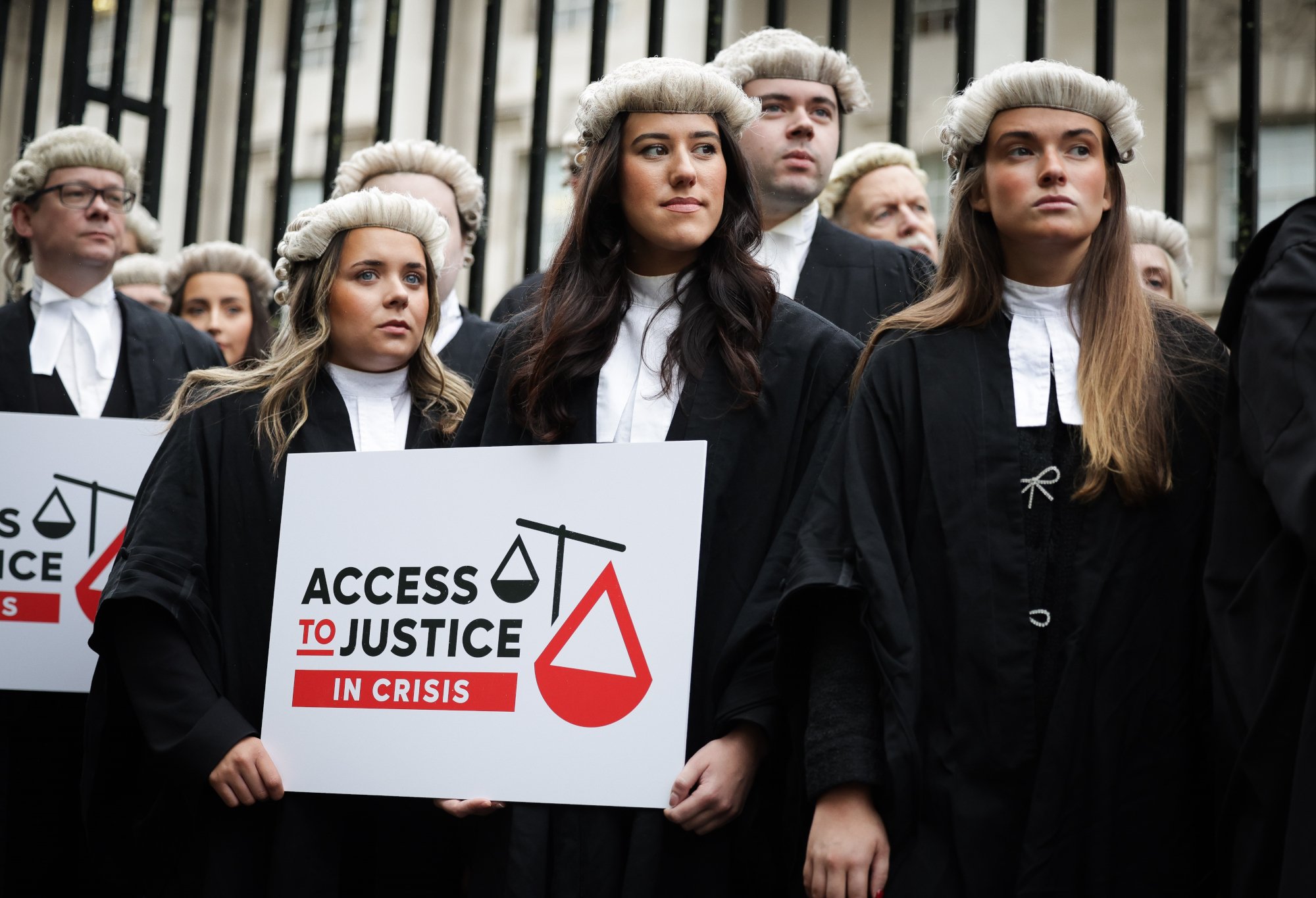
Criminal barristers in Northern Ireland are to fully withdraw from all Crown Court cases early next year in a significant escalation of an ongoing dispute over legal aid fees.
The Criminal Bar Association (CBA) yesterday balloted members, with 89 per cent of the 193 barristers who voted supporting the full withdrawal.
An ongoing withdrawal of services from some cases will be extended to involve the full withdrawal from all current Crown Court cases from 5 January 2026.
In a statement, the Bar Council of Northern Ireland said it has been “sounding the alarm on an access to justice crisis for some time now”.
“Criminal barristers want to be in court, representing their clients, running and resolving criminal cases — cases that often involve deeply complex and serious matters,” it continued.
“The Criminal Bar Association has not taken the decision to increase its withdrawal of services lightly.
“Indeed, it comes after an extended period of patient forbearance amidst a steadily worsening crisis, a crisis which the Department of Justice appears to be reluctant even to acknowledge.”
The CBA has been taking action since November 2024 after the Department of Justice dragged its heels on publishing and implementing a retired judge’s recommendations on criminal legal aid fee levels.
Members staged a full withdrawal of services in the Crown Court in January and February, sparking threats from the justice minister, Naomi Long, to introduce “alternative models for delivery of services currently provided by the criminal bar”.
An interim 16 per cent increase in legal aid fees announced in December 2024 has yet to come into effect.
“Although welcome as a short-term, interim measure, this increase fell significantly short of 20 years of accumulated inflationary pressures,” the Bar Council said today.
“Furthermore, it is not expected to be delivered until January 2026 at the earliest, almost 18 months from the date when the increase was recommended by an independent review and more than six months from the date when the minister ought, at the latest, to have delivered it.
“Despite extensive engagement, no other increases have been agreed to date and there is no guarantee of any future increases in the near future.”
The situation has led to “disillusionment and disenchantment” among criminal practitioners, as well as a “dwindling cohort” of criminal barristers willing to undertake increasingly complex work, it added.
“At present, the Criminal Bar Association represents an exhausted, beleaguered profession that has lost faith in the prospects of receiving, in a defined and reliable timescale, a guarantee of remuneration that fairly reflects the time and skill required to deliver these vital public services,” it said.
The Bar Council has proposed mediation, which it says could be a “potential source of progress, even at this late stage”, and has said it will meet next week to discuss next steps.
The Department of Justice has been contacted for comment.

Share this article:

Subscribe to our newsletter to not miss articles like this one:
 SUBSCRIBE