


Written by:

Gillian O'Hanlon BL
Case Reporter
NI High Court: Vulnerable woman ‘duped’ into sale of property must pay £34,145
 Reading time: 6 minutes
Written by:
Gillian O'Hanlon BL
Case Reporter
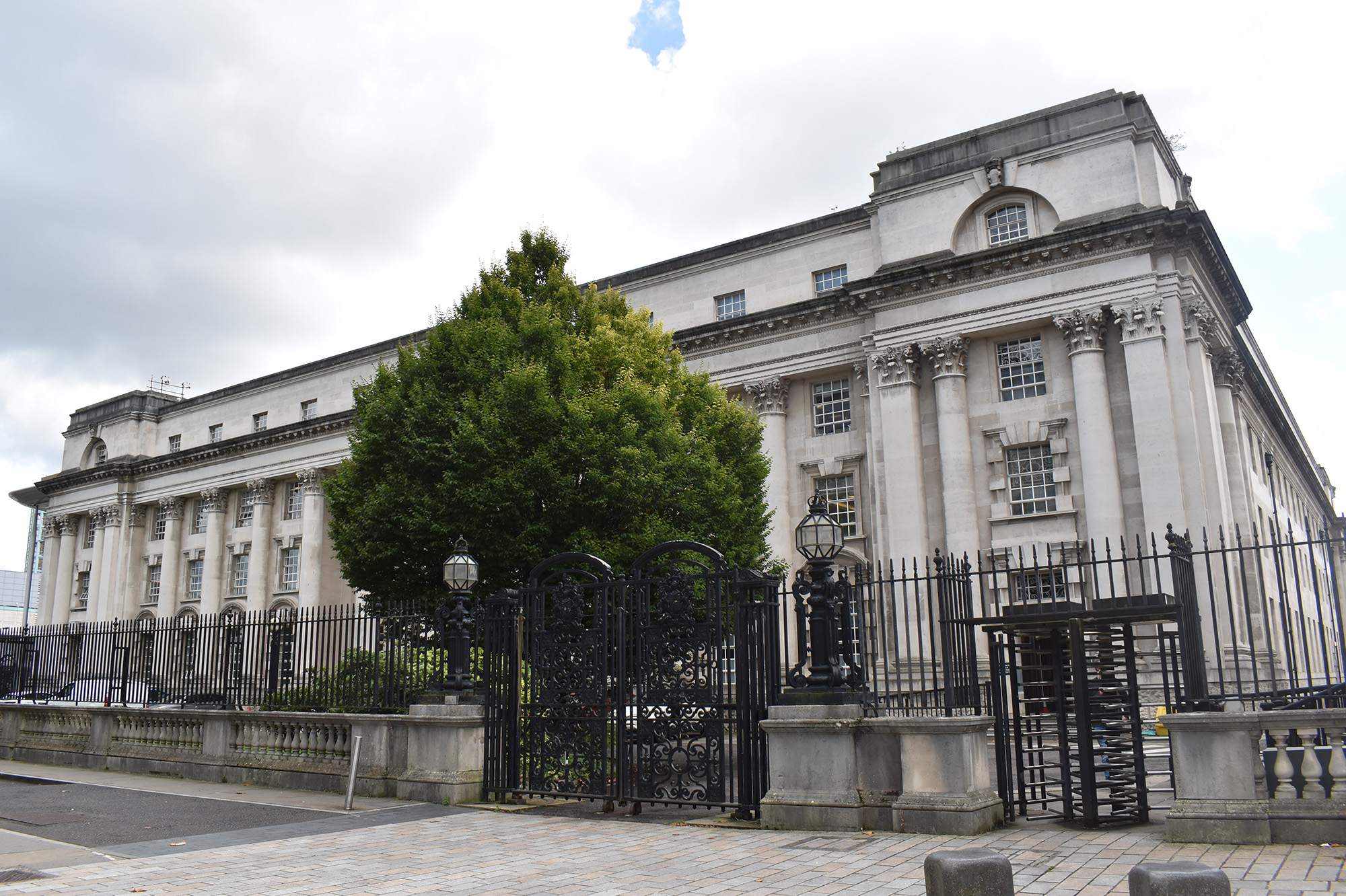
Northern Ireland’s High Court has ordered a woman to pay back £34,145.30 to a man who falsely misrepresented to her that he had provided her with a loan, when in reality the transaction amounted to a sale of her property.

About this case:
- Citation:[2026] NICh 7
- Judgment:
- Court:NI High Court
Delivering judgment for Northern Ireland’s High Court, Mr Gerald Simpson KC ordered the plaintiff to pay back the monies advanced to her less £27,000 for required reinstatement works to the lands and refused to award interest to the first defendant on the basis that to do so “would permit him to derive a benefit from this dishonest action”.
Mel Power KC appeared with Lisa Moran for the plaintiff instructed by Hunt Solicitors, the first defendant represented himself and the second defendant took no part.
Background
The plaintiff issued proceedings seeking to set aside a transfer to the first defendant of 19 acres of land in Ballymena, Co Antrim, which took place in 2015.
Following trial, the Chancery Court found that the first defendant had falsely represented to the plaintiff that the transaction was a loan, all the time knowing that the documentation which the plaintiff was signing amounted to a sale of the property and that the property was sold at a significant undervalue.
After the execution of the documentation, the first defendant paid a cheque to HMRC of £43,645.30, and gave cheques of £1,000, £2,000, £10,000 and £5,000 to the plaintiff and the second defendant.
In support of his claim that £80,000 had been paid to the McKees, the first defendant alleged that the balance of the monies was paid by payment in kind, namely by permitting the McKees to have rent-free use of the lands for grazing. This contention was not accepted by the court.
The court found that the plaintiff had received no legal advice and had limited time to read the documentation, was vulnerable in that she was not an educated woman, was in ill-health and under significant financial pressure at the time, and lacked financial or legal expertise.
The court further found that the first defendant knew about the plaintiff’s financial position and vulnerability, and in the circumstances, granted equitable rescission restoring the parties to their pre-contractual positions.
The court determined that neither the plaintiff nor the second defendant were required to make any payment to the first defendant, and granted costs to the plaintiff.
The first defendant appealed to the Court of Appeal, resulting in the matter being remitted to the High Court to deal with the sole aspect of the appropriate monetary relief.
The High Court
Having considered the judgment of the High Court at first instance, Mr Simpson KC was satisfied that the amount paid by the defendant to the plaintiff was in fact £61,645.30.
The court noted that the plaintiff had advanced a claim against the first defendant for £58,159.20 for reinstatement works to the lands based on a surveyor’s report which did not contain an expert declaration or a statement of truth, and which was absent sources of information used.
Finding that the court would need to analyse the weight that could be attached to the report, the court proceeded to examine the claims made in the report.
As detailed in the report, the plaintiff sought the removal of laneways installed by the first defendant, required a physical boundary to be installed for the prevention of unauthorised access, sought the removal of a trees and bushes planted on the lands and the reinstatement of a well, and sought the reinstatement of alterations, water and electricity supplies to a barn on the lands.
The report further required the reinstatement of an enclosed area for a horse-riding school and the removal of containers and a caravan from the site.
Mr Simpson KC considered that a rounded sum of £27,000 was allowable, remarking that the plaintiff’s report was “very unhelpful”.
In this regard, the court explained: “Expert evidence is not, of itself, determinative of any issue — such evidence is one tool available to the court in arriving at a just decision. Where the expert evidence is lacking in suitable explanation, so that the court is not clear how, in this case costings, are arrived at, it is open to the court to reject all or part of the evidence. In this case, I find myself in the position of not having been provided with the necessary evidence to justify the experts costings of the claim.”
Mr Simpson KC noted that since the monies paid over by the first defendant to the plaintiff were a loan, the first step would involve the repayment of £61,645.30 by the plaintiff to the first defendant.
As to the defendant’s claim to interest on the basis that the money could not be put to other use, the court observed that this was a matter for the court’s discretion and that the court was entitled to take the motivation of the first defendant in advancing the monies to the plaintiff into consideration.
Mr Simpson KC opined: “It seems to me that the court should have little sympathy for a party who set out deliberately to dupe a vulnerable woman and dishonestly obtain ownership of the lands at a very considerable undervalue.”
The court continued: “It would offend the conscience of the court, in my view, to allow the defendant to have interest paid on his loan. To do so would permit him to derive a benefit from this dishonest action. If he wanted his money to work for him by earning interest, he should not have embarked on what was a dishonest enterprise.”
Mr Simpson KC further considered that the plaintiff had the use of the money since around 2015, and that this was a matter which was also relevant to his ultimate consideration of the remedy.
Conclusion
Declining to make an award of interest, the High Court directed the plaintiff to pay to the first defendant the sum of £34,145.30.
Fiona Mary McKee v Samuel Forbes Carson and Samuel James McKee [2026] NiCh 7

Share this article:

Subscribe to our newsletter to not miss articles like this one:
 SUBSCRIBE