
Ireland faces evolving terrorist threat amid calls to update surveillance laws
 Reading time: 2 minutes
The threat from Islamist extremism and so-called “lone wolf” actors remains a significant concern for Ireland, according to the first report from the Independent Examiner of Security Legislation, which warns that the overall risk landscape has broadened in recent years.
The report finds a significant risk that an Islamist attack could be planned or launched from Ireland, or affect a neighbouring jurisdiction, noting several such incidents in recent years. It also highlights dangers posed by far-right and far-left extremism, hostile state actors and individuals acting alone.
Its author, Mr Justice George Birmingham, said dissident republican groups continue to pose a threat 28 years after the Good Friday Agreement. He pointed to recent attacks, including an assault on two gardaí in Dublin by an Islamic State supporter and the stabbing of an army chaplain in Galway by a teenager radicalised online.
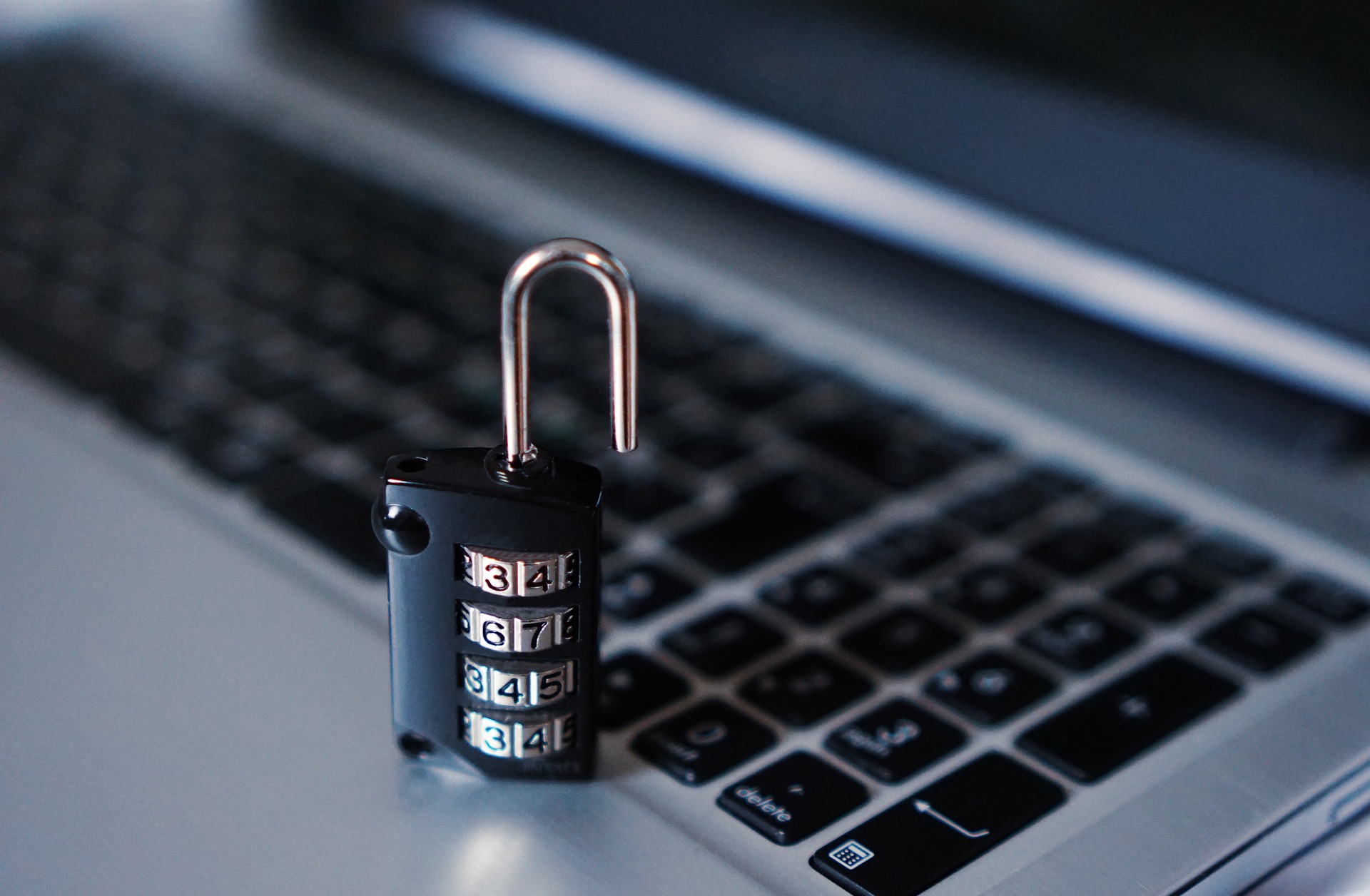
The report identifies substantial gaps in legislation, particularly in relation to surveillance powers. Laws governing the interception of communications date from 1993 and do not cover modern platforms such as WhatsApp, Telegram or Snapchat, nor allow access to internet browsing histories. Mr Birmingham described the framework as outdated, noting references to telegrams.
He recommended new laws enabling the use of advanced electronic tracking and data-gathering tools, alongside stronger oversight, including judicial authorisation for surveillance measures. Gardaí deployed tracking devices 47 times between April and December last year, compared with 41 times in 2024, while Revenue used them 21 times.
The report stresses that any expanded powers must include safeguards to protect privacy, but argues it is difficult to justify granting criminals immunity from lawful interception.
Defence minister Helen McEntee said Ireland must remain alert to evolving threats, including online radicalisation and increasingly networked individuals. She emphasised the need for close cooperation with European and international partners.
Associate professor at UCD and chair of the Digital Rights Alliance, TJ McIntyre, said: “Police have never had more investigative data available to them.”
Speaking on RTÉ’s Today with David McCullagh, he said: “In a way we’re in an unusual situation now where police have never had more investigative data available to them, so taken as a whole we leave a lot of digital traces behind us whether it be on CCTV or on our own devices and so on.”

Share this article:

Subscribe to our newsletter to not miss articles like this one:
 SUBSCRIBE