
Identity and language legislation enters into force in Northern Ireland
 Reading time: 2 minutes
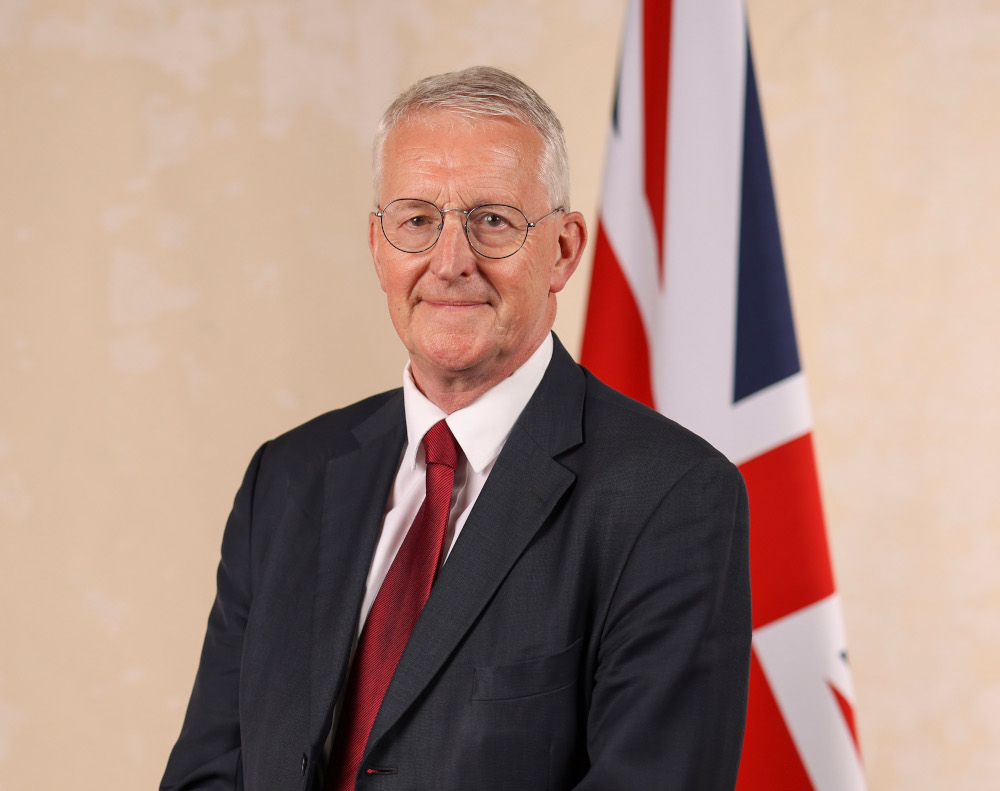
Hilary Benn
UK government has formally commenced key provisions of Northern Ireland’s identity and language legislation, granting official status to the Irish and Ulster Scots languages for the first time.
Northern Ireland secretary Hilary Benn yesterday told MPs that he had commenced provisions in sections 1, 2 and 3 of the Identity and Language (Northern Ireland) Act 2022 following a request from the Executive Office.
It follows the commencement in May 2023 of provisions establishing the roles of director of the Office for Identity and Cultural Expression, Irish language commissioner and commissioner for the Ulster Scots and Ulster British tradition.
Mr Benn said: “Provisions being commenced in Section 1 relate to the principles of national and cultural identity to which public authorities must have due regard, as well as the functions and responsibilities of the Director of the Office of Identity and Cultural Expression.
“Provisions being commenced in Section 2 outline the functions and responsibilities of the Irish Language Commissioner in developing and promoting best practice standards in relation to the Irish language.
“Finally, provisions in Section 3 relate to the functions and responsibilities of the Commissioner for Ulster Scots and the Ulster British Tradition in promoting the language, arts and literature associated with Ulster Scots as well as developing and promoting guidance in relation to Ulster Scots.
“In commencing these provisions, we are continuing to ensure respect and tolerance for all of Northern Ireland’s diverse identities, cultures, languages and traditions.”
Irish language group Conradh na Gaeilge welcomed the commencement of the legislative provisions.
“This is undoubtedly another historic milestone as the provisions to formally recognise the status of the Irish language here come into full legal effect,” president Ciarán Mac Giolla Bhéin said.
“For the very first time, the status of the Irish language is legally recognised in the north.
“That historic progress is testament to the decades of activism and communities demanding rights, respect and recognition. And this is only the beginning of our journey.”

Share this article:

Subscribe to our newsletter to not miss articles like this one:
 SUBSCRIBE