

Fraud, AI and liability in focus at Mason Hayes & Curran conference
 Reading time: 3 minutes
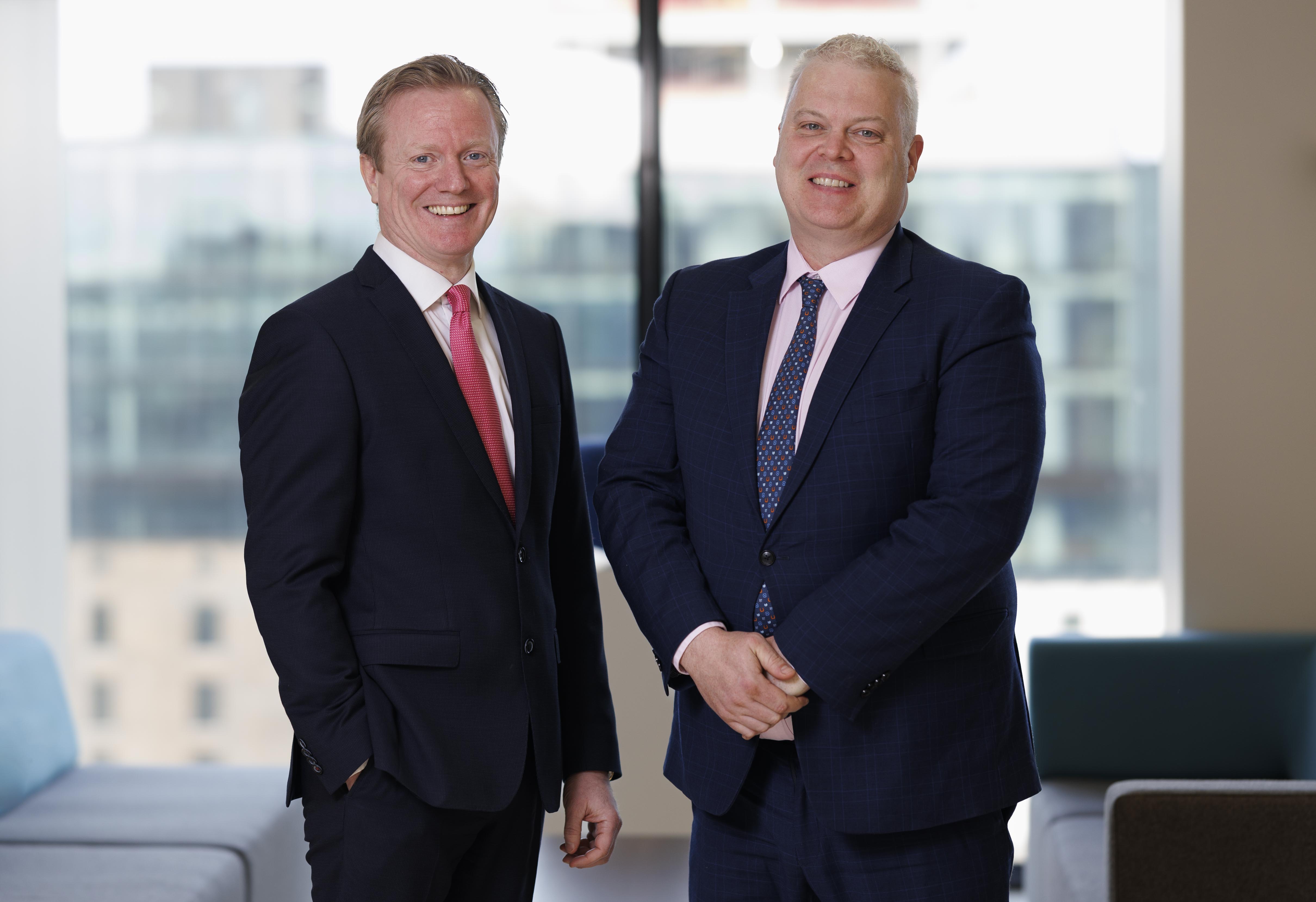
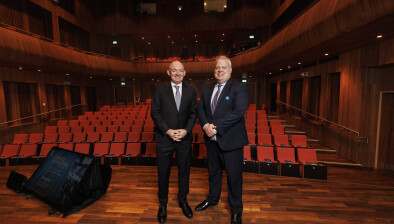
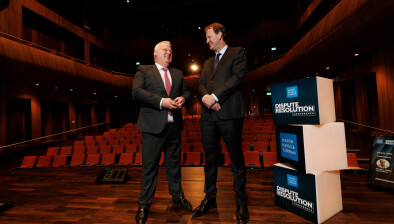
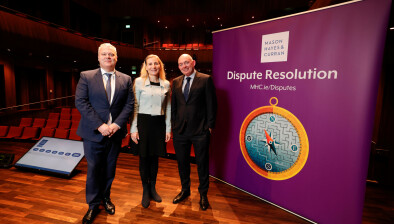
Maurice Phelan and Gerard Kelly SC
Mason Hayes & Curran’s annual Dispute Resolution Conference will explore who bears the loss when scams succeed and how AI is reshaping fraud, evidence and litigation.
A customer authorises a payment but loses the money to a scam. Is the financial institution that followed its customer’s instructions liable? Can the victim pursue the fraudster’s bank that received the payment?
These questions and more will be examined at Mason Hayes & Curran’s annual Dispute Resolution Conference on Wednesday 30 September in Dublin. The conference will also address challenges and opportunities relating to expert witness evidence, including the impact of AI.
Attorney General Rossa Fanning SC will open proceedings with a keynote on developments across the Irish legal system.
A panel on authorised push payment (APP) fraud will discuss the sophisticated scams facing businesses and financial institutions today.
Fraud where victims are tricked into authorising payment reached €74.86 million in Ireland in 2025, according to Central Bank of Ireland figures published this month. Total payment fraud rose 27.2 per cent to €179.04 million.
The panel will examine the difficult questions around liability and recovery when a victim has authorised the payment. It will also consider what policy changes are necessary at national and EU level to better protect victims of fraud.
Commenting ahead of the event, Gerard Kelly SC, partner and co-head of dispute resolution at Mason Hayes & Curran, said: “Advancements in AI are making fraud more convincing, while the law on who ultimately bears the loss remains unsettled. Specific rules apply where a customer has authorised the payment to the fraudster. We will explore who bears the risk in these circumstances, and whether that is likely to change in the near future. We’ll also look at the modern approach to expert evidence in litigation, including how AI has started to impact that process, and the Court’s approach to this technology.”
The fraud panel will be moderated by Conor O’Leary, dispute resolution partner at Mason Hayes & Curran. Speakers include Elizabeth Corcoran BL, co-author of Banking Law; Sean Crowley, director at Secora Consulting; and Niamh Davenport, head of financial crime at Banking & Payments Federation Ireland and chair of Ireland’s Cross-Sector Anti-Fraud Forum.
A second panel will focus on expert evidence, including AI and expert witness evidence, following case law arising from AI hallucinations and a recent Practice Direction relating to AI in court documents. It will also address the obligations of an expert witness, what is expected of legal practitioners instructing experts especially in the context of difficulties that may arise, what makes an expert credible in court, and how firms can avoid experts being dismissed as “hired guns”.
Former Court of Appeal judge, Michael Peart, will share his insights on expert evidence based on his experience on the bench.
Additional speakers on this panel include Shelley Horan SC, Ross Aylward BL, and Gearoid Carey, dispute resolution partner at Mason Hayes & Curran. The panel will be moderated by Gerard Kelly SC, partner and co-head of dispute resolution at Mason Hayes & Curran.
MHC’s Dispute Resolution Conference 2026: Evidence, fraud and the changing litigation landscape runs from 8am to 11am on Wednesday 30 September at the Royal Irish Academy of Music in Dublin.

Share this article:

Subscribe to our newsletter to not miss articles like this one:
 SUBSCRIBE