
Former ECtHR judge appointed Hungary president after criticising Orbán’s attacks on judiciary
 Reading time: 3 minutes
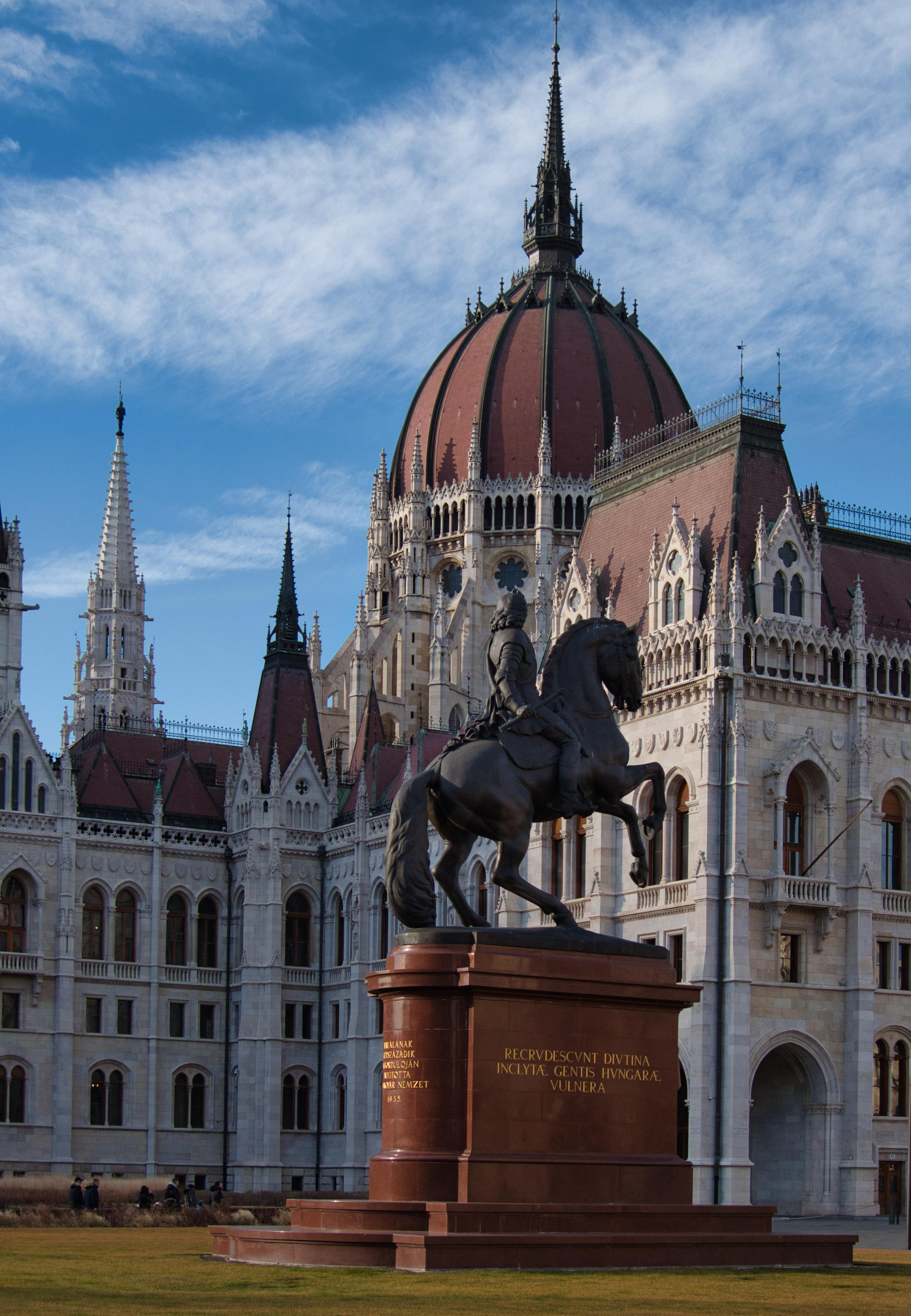
A former European Court of Human Rights (ECtHR) judge who was removed as Hungary’s Supreme Court president after criticising Viktor Orbán’s government has been appointed the country’s president.
András Baka, 73, received 140 votes in Hungary’s parliament yesterday, with only six lawmakers voting against him. He was the sole candidate for the largely ceremonial role.
Mr Baka is regarded as a prominent critic of Mr Orbán, who was defeated in April after 16 years as prime minister. The election brought Péter Magyar, a pro-European conservative, to power on a promise of political change.
Mr Baka served as president of Hungary’s supreme court from 2009 until 2011, when the Orbán government removed him from office three years before his term was due to end. He had condemned legislation reducing the mandatory retirement age for judges from 70 to 62, describing it as a judicial purge.
The Supreme Court was subsequently renamed the Curia, with a new constitutional framework allowing a new chief justice to be appointed.
Mr Baka challenged his removal at the ECtHR. In 2014, the court ruled that Hungary had violated his rights to a fair trial and freedom of expression, finding that he had been removed because of his criticism of the government and that the measure posed a threat to democratic freedoms. Mr Orbán rejected the findings.
His appointment as president comes after the removal of his predecessor, Tamás Sulyok, an ally of Mr Orbán. Mr Sulyok was dismissed following an emergency constitutional amendment introduced by the Tisza party, which now holds a two-thirds majority in parliament.
Mr Baka has defended the removal of officials associated with the former government, saying last month: “In a country governed by the rule of law, such extraordinary measures cannot be used, but Hungary became a captured state under Orbán.”
He has also played a role in a landmark ECtHR ruling concerning transgender rights.
In 2002, Mr Baka was one of 17 judges who backed the court’s judgment in Christine Goodwin v United Kingdom. The case concerned a transgender woman who had undergone gender reassignment surgery but continued to be legally recognised as male by the UK authorities.
The applicant had faced consequences including higher motor insurance premiums and a later pension age because she was treated as a man.
The ECtHR found that the UK had violated her rights to respect for private and family life, the right to marry and the right to an effective remedy.
The judgment recognised the acquired gender of transgender people and their right to marry in that gender. It subsequently contributed to the introduction of the UK’s 2004 Gender Recognition Act, which allows adults to change their legal gender.

Share this article:

Subscribe to our newsletter to not miss articles like this one:
 SUBSCRIBE