


Dublin solicitors to shut down legal aid work as dispute with minister escalates
 Reading time: 3 minutes

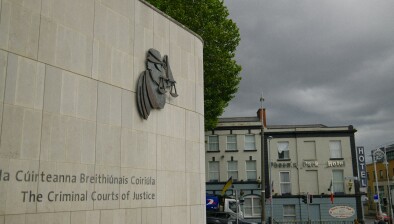
Solicitors at the Criminal Courts of Justice will withdraw from district court legal aid work for two days this week and a further three days next week as their dispute with justice minister Jim O’Callaghan over criminal legal aid reform continues.
The action follows the introduction on July 1 of a flat-fee payment model under which solicitors receive €520 per case regardless of the number of hearings involved, replacing the previous per-appearance system.
Solicitors argue the new scheme leaves them handling lengthy and complex cases without guaranteed payment and will drive experienced criminal defence lawyers out of legal aid work, reducing access to representation for vulnerable defendants.
A spokesman for the Dublin solicitors said the decision to suspend work had been taken “with great regret”.
“Every solicitor would much prefer to be in court representing their clients, but that is simply not possible under the new legal aid scheme.
“In addition to the shutdown this week, further action is planned for the coming week, extending over three days.
“It should be said also that solicitors and their representative body are available at any time to meet and discuss these matters and to work towards agreement.
“The minister’s intransigence is the major obstacle in the way of progress and resolution.”
Up to 200 solicitors have indicated they may resign from the criminal legal aid panel.
The dispute comes as figures for 2025 show almost 60 per cent of all criminal legal aid fees were paid to the 100 highest-earning solicitors, rising to 80 per cent for the top 200 and more than 90 per cent for the top 300. There were 764 solicitors undertaking criminal legal aid work last year.
Mr O’Callaghan has maintained that the “vast majority” of solicitors remain on the panel, although practitioners dispute that characterisation, arguing that legal aid work is concentrated among a relatively small number of firms.
Tánaiste Simon Harris yesterday said the government supported the minister’s efforts to reform criminal legal aid but hoped progress could be made through further engagement.
Higher education minister James Lawless, a qualified barrister, said he was aware of “examples of the system being misused”.
“That’s not to say, for a moment, that every solicitor, every practitioner was involved in that – not at all. But it was a system that was open to abuse at times,” he said.
“I think what the minister is doing is trying to tackle that. I think he’s already compromised. He’s already increased the base fee in the new proposals, and I’ve got every confidence that he will work through this dispute.”

Share this article:

Subscribe to our newsletter to not miss articles like this one:
 SUBSCRIBE