


UK government snubs appeal for meeting on Palestine hunger strikers
 Reading time: 3 minutes
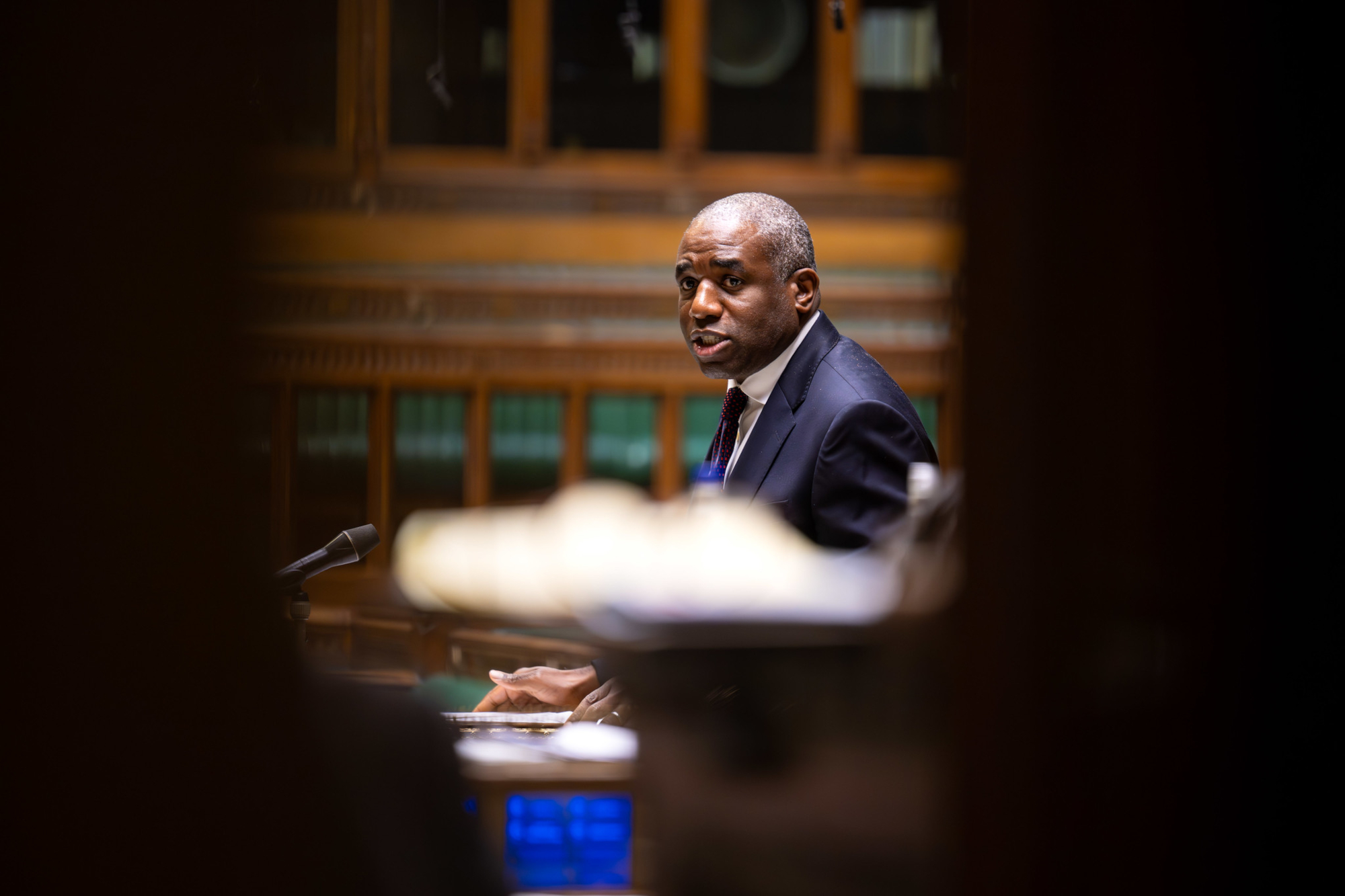
Credit: House of Commons / Flickr, CC BY-NC-ND 4.0
UK government ministers are continuing to snub calls to meet with lawyers representing pro-Palestinian activists embarking on the UK’s biggest prison hunger strike since the Irish republican hunger strikes of 1981.
Lawyers acting for remand prisoners weeks into an open-ended hunger strike while awaiting trial for alleged offences linked to Palestine Action — the direct action group controversially proscribed by the UK government under terrorism legislation — have sought a meeting with justice secretary David Lammy.
While two of the “Prisoners for Palestine” have ended their hunger strike, six are continuing, some of them now having refused food for more than 47 days, their lawyers say.
From longest to shortest period on hunger strike, they are 20-year-old Qesser Zuhrah (47 days), 30-year-old Amu Gib (47 days), 31-year-old Heba Muraisi (46 days), 29-year-old Tueta Hoxha (40 days), 28-year-old Kamran Ahmed (39 days) and 22-year-old Lewis Chiaramello (25 days).
Jon Cink and Umer Khalid ended their hunger strikes after 41 and 13 days respectively.
Ms Zuhrah was taken to hospital yesterday evening after protesters gathered for hours outside HMP Bronzefield, the privately-run prison in Surrey where she is being held, to demand medical treatment.
London law firm Imran Khan & Partners said ahead of a press conference this morning that the six prisoners who are continuing with the action “are reaching a critical stage and nearing the point of no return”.
In a statement, the firm said: “The government has not responded to any request for a meeting, demands or publicly acknowledged the hunger strike. However, the hope is that they will have to engage imminently given the deteriorating ill health of the hunger strikers.”
The hunger strikers’ five demands are the end of alleged censorship inside prison, immediate release on bail, the release of information relating to their prosecutions, the deproscription of Palestine Action, and the shutting down of Israeli weapons manufacturer Elbit Systems’ UK operations.
In a statement provided to Irish Legal News, the Ministry of Justice said: “We continually assess prisoners’ wellbeing and will always take the appropriate action, including taking prisoners to hospital if they are assessed as needing treatment by a medical professional.
“His Majesty’s Prison and Probation Service (HMPPS) has assured ministers that all cases of prisoner food refusal are being managed in accordance with the relevant policy, and with appropriate medical assessment and support — consistent with prisoner rights.”
A spokesperson for HMP Bronzefield, operated by Sodexo, said: “We cannot provide information about specific individuals however, we can confirm that all prisoners have full access to healthcare, including attendance at external medical facilities if needed.
“Any prisoner refusing food receives regular medical assessment and support from clinicians, as well as being offered mental health support.
“In addition, all prisoners are managed in line with the policies and procedures governing the entire UK prison estate. This includes specialist multi-agency processes, led by the government, to assess individual risks and security status.
“However, if any prisoner has specific complaints, we encourage them to raise them directly with the prison, as there are numerous channels available for addressing such concerns.”

Share this article:

Subscribe to our newsletter to not miss articles like this one:
 SUBSCRIBE