



Written by:

Review: Deception, consent and the limits of rape law
 Reading time: 5 minutes
Written by:
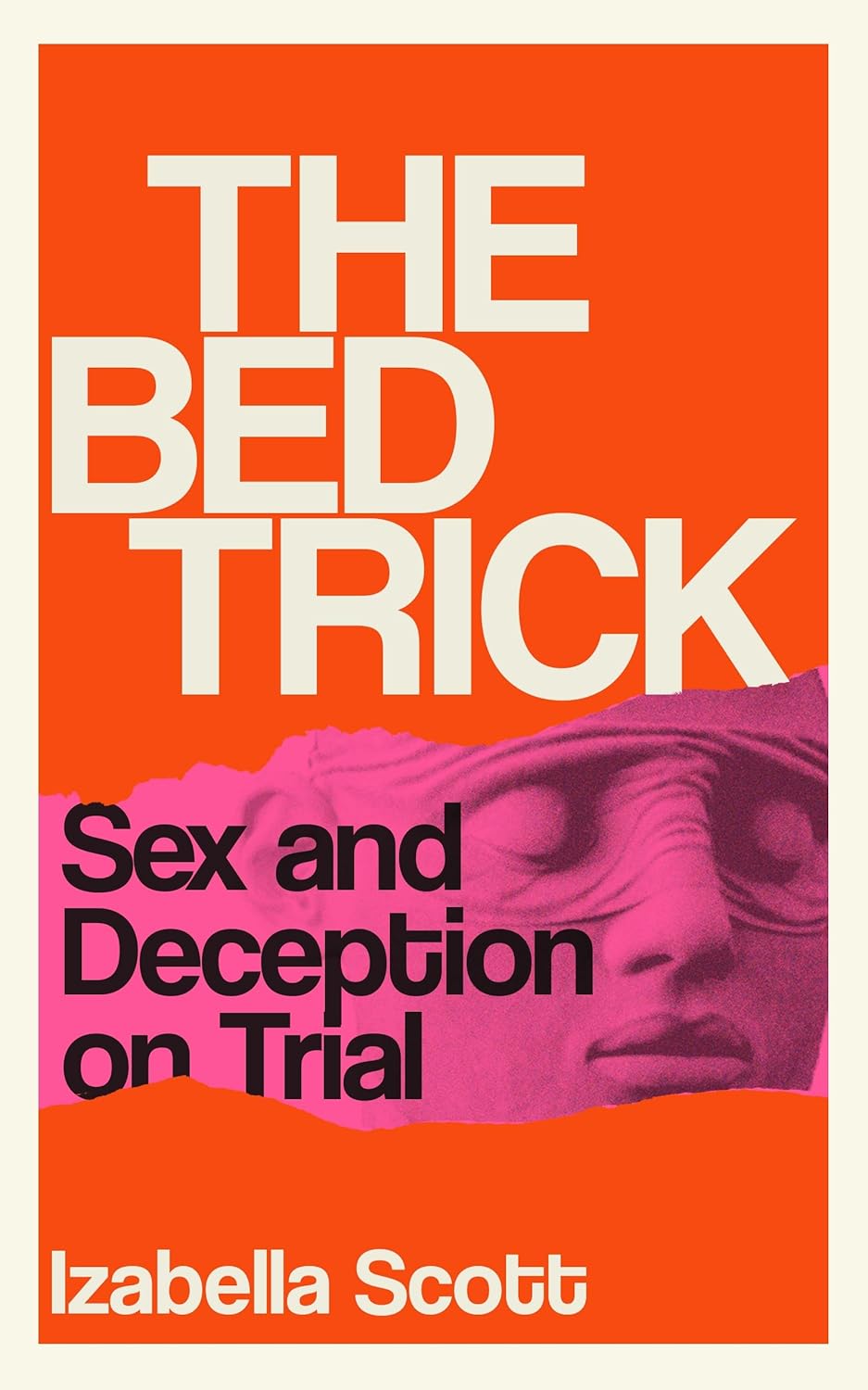
Louise Heren reviews a new book on the headline-grabbing trial of Gayle Newland.
Sexual and gender fraud are at the centre of this riveting analysis of a rape case prosecuted in England in 2015 and re-tried after appeal in 2017. Both trials resulted in conviction which should be sufficient attempts at justice for anyone to say, ‘enough now’, but given the detailed analysis of the case provided in this book, it begs: is either verdict correct?
This book is in no way an attempt at ‘sofa justice’, yet by its very careful analysis of the case, it prompts the reader to apply a common-sense approach to the evidence as baldly laid out, while providing detailed information on where the law sits on rape, consent and deception. It is a fascinating and provoking approach to dissecting a criminal case.
The case pivots on whether Gayle raped X, both women, one of whose identity has remained anonymous since the first trial. Gayle, a self-acknowledged lesbian unsure how to go public; the other heterosexual by self-admission, although in the closet according to Gayle. Greater relationship complexity is introduced by Kye, an online persona belonging to Gayle; a half-Asian man whose construction allowed Gayle to explore relationships with women as she also explored her own sexual identity. Kye might be seen as a Frankenstein’s monster given the damage his ‘existence’ has caused to both women’s lives.
In X’s version of the case, Gayle-as-Kye raped her using a dildo during which, during every sexual encounter together, she was always blindfolded and apparently never knew that it was her best friend in bed with her having sex with a rubber sex toy. This is a point defence counsel returned to several times seeking clarity on how someone could have sex over many months, always blindfolded, never peeking, absolutely convinced her lover was male with a real penis. Gayle-as-Kye deceived her into sex thus she had been violated because her had consented to sex with a man, not a woman.
Gayle’s account is even more emotionally painful. She admitted to fabricating Kye, but she told the court that X knew it was her best friend in bed with her, it was role play through which they were both coming to terms with their lesbian identities. Gayle’s emotional confusion is obvious in the extracts of the court transcript used to present each woman’s evidence. At one point, as Gayle, she told X she would walk her down the aisle now that she was engaged to Kye. But she couldn’t because she was one and the same, and she believed X knew that. In a very basic analysis of this rape trial, Scott is correct: it’s a hunt for the liar.
However, before the court heard sufficient evidence on X’s consent to sex and Gayle’s mens rea, Section 76 of the Sexual Offences Act 2003 was triggered: X could not consent to sex because she had been deceived into sex. Section 76 is irrebutable, so from this point onwards, the normal circumstance of innocent until proven guilty was flipped upside down. Gayle had now to prove her innocence, that X had colluded with her in their ‘game’, that it was never rape or intended as rape. The jury returned a verdict of guilty of rape.
At the second trial, another legal principle was introduced: McNally’s principle, that deception as to gender could vitiate consent. Not only was Gayle on trial for having raped her friend through lesbian sex, now the Crown was prosecuting her because she had been fraudulent about her gender. Scott goes a step further and suggests that Kye’s Asian ethnicity might also have introduced racial fraud into the mix. Yet X’s complaint does not read as vexatious, she believed she had been raped because she was deceived. It is Gayle who acknowledges they were “two stupid girls really, just experimenting” which had unravelled into this legal nightmare.
Throughout, Scott addresses several blind bends in sexual consent law. In particular, one example illustrates how deception in law is differentiated. She quotes a Scottish appeal case concerning a man who led his female partner to understand he had undergone a vasectomy so there was no need to use a condom. The judgment explained the difference between sexual deception relating to outcome and sexual deception relating to performance; only the latter was prosecutable. Gayle’s sexual deception relates to performance; she performed sex with X through the deception of Kye. No matter how ‘real’ Kye was to X in their relationship, or how intertwined Gayle was emotionally with her Kye ego, only Gayle was on trial. Defence counsel repeatedly asked the jury to view the evidence as incredible, not credible: if Gayle and Kye were two separate people, why did X never introduce her fiancé to her very best friend? Why was Gayle always on hand when Kye had just left her flat? The jury accepted X’s responses at both trials.
This book is essential reading for any student or academic of socio-legal history and law. There are many theses opportunities to be derived from the issues it raises, not least regarding where law and commonsense diverge. Ultimately it seems to ask: is modern sex too messy for our law?
The Bed Trick: Sex and Deception on Trial by Izabella Scott. Published by Atlantic Books, 336pp, €13.79.

Share this article:

Subscribe to our newsletter to not miss articles like this one:
 SUBSCRIBE