

Northern Ireland equality watchdog seeking ruling on definition of sex
 Reading time: 2 minutes
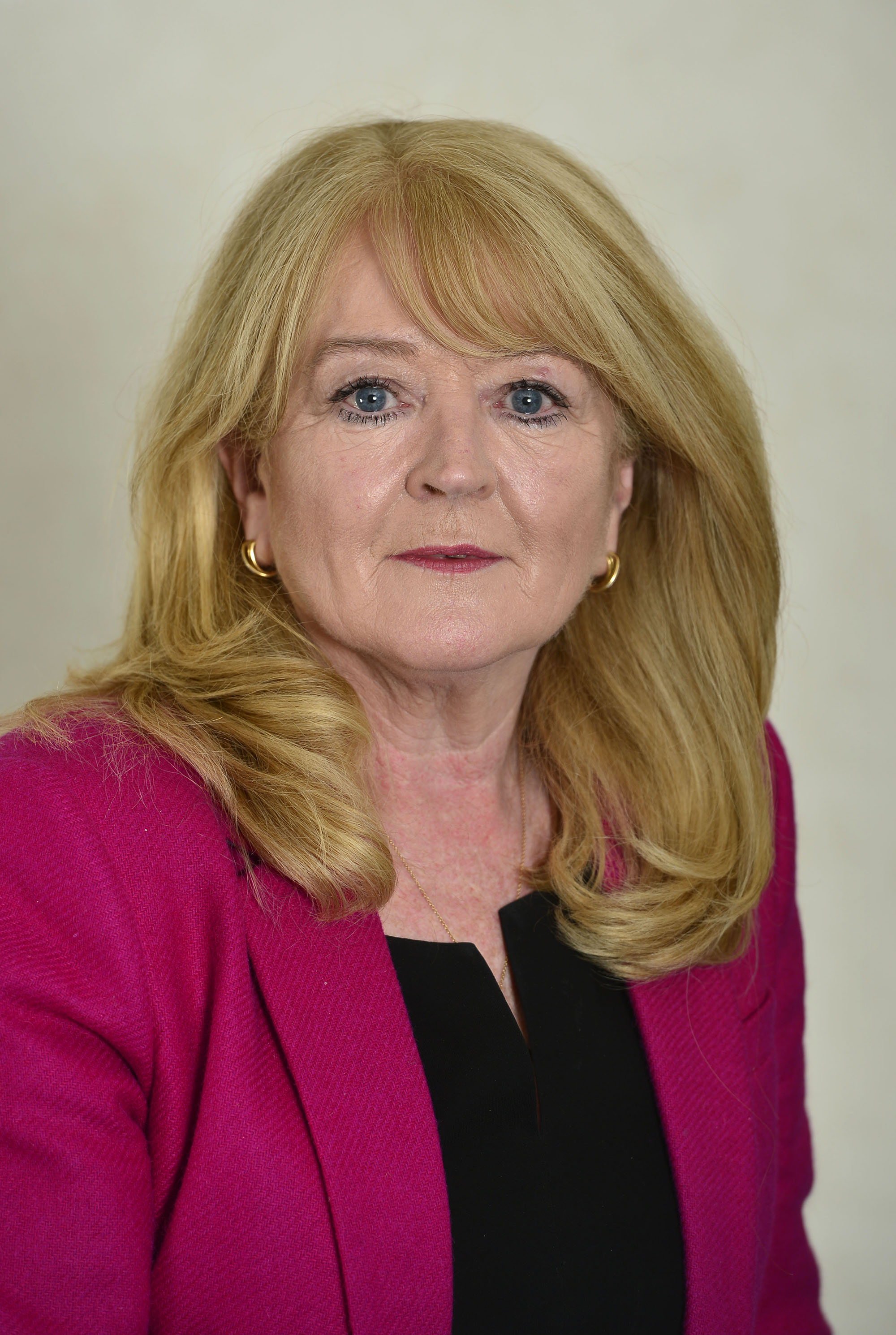
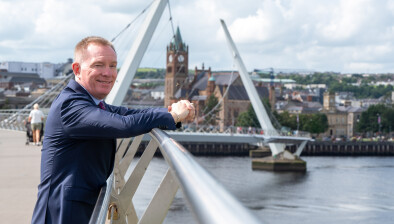
Geraldine McGahey
Northern Ireland’s equality watchdog has formally lodged court proceedings seeking clarification on the implications of a landmark UK Supreme Court ruling on transgender rights.
The Equality Commission previously said it would ask the Northern Ireland courts to clarify areas of “significant legal uncertainty” following the ruling in For Women Scotland Ltd v The Scottish Ministers.
It has now formally applied to the High Court for leave to apply for judicial review.
The UK Supreme Court ruled unanimously in April that the word “woman” in the Equality Act 2010 refers to biological sex and does not include transgender women, regardless of whether or not they hold a gender recognition certificate.
The case was brought by campaign group For Women Scotland (FWS) in its second challenge to the inclusion of trans women in Scottish legislation aimed at promoting women’s representation on corporate boards.
The Equality Commission is asking the court to clarify how the UK Supreme Court’s interpretation of the Equality Act 2010 in Great Britain should be applied in the different legal context of Northern Ireland, where the 2010 Act does not apply.
The judgment did not consider the particular context of the different legal obligations in Northern Ireland, including Article 2 of the post-Brexit Windsor Framework.
Geraldine McGahey, chief commissioner of the Equality Commission for Northern Ireland, said: “The Commission is obviously not seeking to challenge the Supreme Court’s judgment regarding the interpretation of the Equality Act 2010 in Great Britain.
“Our objective is to secure the greatest possible legal clarity regarding the interpretation of the judgment as it applies in Northern Ireland.”
She continued: “While we recognise that this process delays the Commission from providing guidance for employers, service providers and public authorities, this proactive approach aims to minimise the risks of legal action against them further down the line.
“By seeking clarification from the court at this stage, we aim to avoid prolonged periods of litigation once we provide our advice.
“We believe our approach will enable these contentious issues to be worked through systematically, in a focused manner which respects the diversity of deeply held beliefs and is in the best interests of everyone in Northern Ireland.”

Share this article:

Subscribe to our newsletter to not miss articles like this one:
 SUBSCRIBE