

National DNA database marks 10th anniversary
 Reading time: 2 minutes
Ireland’s national DNA database has had a “transformative effect” in the decade since it was established, Jim O’Callaghan has said.
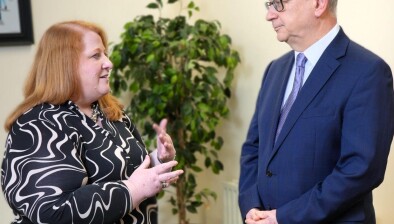
The justice, home affairs and migration minister yesterday attended Forensic Science Ireland’s headquarters for an event marking the database’s 10th anniversary.
Since its establishment in 2015, the system has aided nearly 8,000 criminal investigations, primarily cases relating to burglaries, criminal damage, and robberies. It has also assisted in the investigation of more serious crimes including murders, sexual and violent offences and assaults.
The database now has over 94,000 profiles and the Department of Justice, Home Affairs and Migration says its crime-solving capacity will continue to grow as the database itself grows.
Mr O’Callaghan said: “It is difficult to imagine a criminal justice system today without the national DNA database.
“Ten years on since its establishment, we can confidently say that it has had a transformative effect. It has reshaped how crimes are investigated, how cases are built, and how justice is delivered.
“To an ever-increasing extent, the success of our criminal justice system is dependent on the effectiveness and integrity of the DNA database system.
“Today is not just about recognising the impact of the DNA database, it is also about recognising what has been achieved through forensic science and the support that it has given to the criminal justice system and victims of crime.”
The minister also noted the impact of the DNA database on missing persons investigations and body identification cases.
In 2025, the forensic laboratory assisted in approximately 180 body identifications and 29 missing persons cases.
Ireland currently shares DNA profiles with 20 European countries, including the United Kingdom, under the Prüm Treaty. FSI began live data exchange in 2019 and now actively collaborates with those countries.
Mr O’Callaghan said: “The national DNA database is not only a national asset but also benefits a much wider international network through the exchanges of forensic data across EU member states.
“The government will continue to support the key role played by forensic science in the criminal justice system.
“We now have a truly world class forensic science laboratory in Backweston, built to the highest international standards, to reflect the importance of the essential scientific analysis and expert advice provided by FSI.”

Share this article:

Subscribe to our newsletter to not miss articles like this one:
 SUBSCRIBE