

Law Society warns judicial review fee cap ‘prioritises money over merit’
 Reading time: 3 minutes
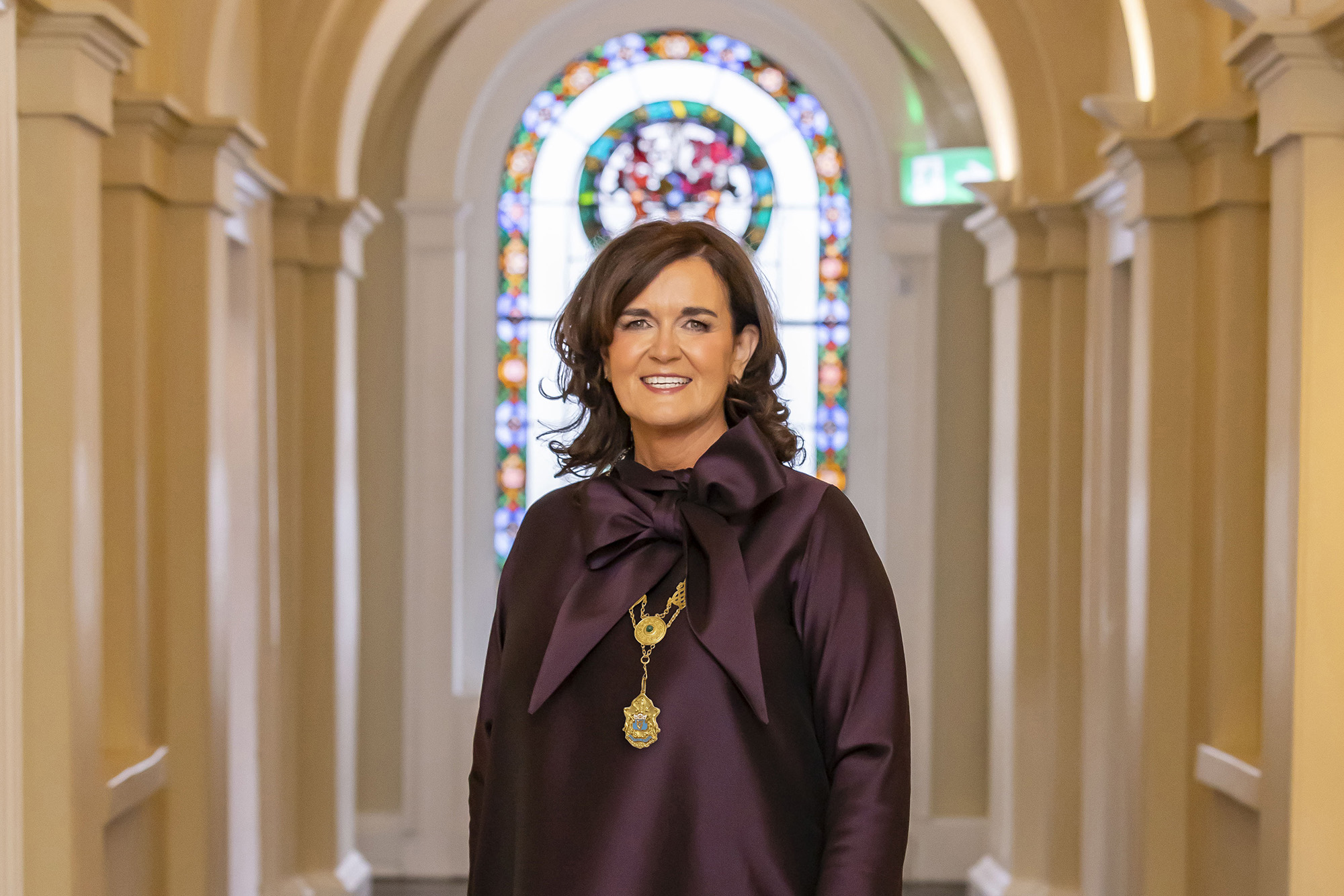
Pictured: Law Society president Rosemarie Loftus.
The Law Society of Ireland has joined the chorus of opposition to government plans to cap legal costs in environmental judicial reviews.
The Department of Climate, Energy and the Environment recently concluded a consultation on a scale of fees proposed under the Planning and Development Act 2024.
In its submission, the Law Society warns that the proposals threaten the well-established rights of individuals to secure access to justice and could undermine constitutional and international legal protections.
The Law Society has raised fundamental objections to the plan, stating that proposed fee caps would interfere with the right of access to the courts under the Constitution, the European Convention on Human Rights, the EU Charter of Fundamental Rights and the Aarhus Convention.
Rosemarie Loftus, president of the Law Society, said: “These proposals will prioritise money over merit.
“If implemented, they will not deter cases with questionable merit so long as the individual, or group, taking the case has significant financial resources. However, these proposals will impact on cases of genuine merit if the individual, or group, taking the case does not have significant financial resources.
“Access to justice must be a universal right and not one that is determined by the financial means of those bringing it.
“The proposed scale of fees risks closing the doors of the courts to individuals and community groups seeking to challenge potentially unlawful planning or environmental decisions. This measure would be a regressive step and would weaken the rule of law and erode essential democratic safeguards.”
There is no evidence that judicial reviews have delayed housing or infrastructure delivery, the Law Society has said, pointing out that judicial review cases declined by 19 per cent in 2025.
The proposals would make representation in complex environmental cases financially unsustainable, limit access to expert witnesses and discourage members of the public from engaging legal representation, it adds.
The proposed fee caps would threaten the fairness and equitability of the procedure by placing the State in an advantageous position over citizens and community groups.
The Law Society further cautions that mandatory maximum fee scales could have anti-competitive effects and breach EU law.
The scale of fees model proposed for adoption in Ireland mirrors aspects of the scale of fees that is in place in England and Wales, which is currently under scrutiny for non-compliance with the Aarhus Convention.
Ms Loftus said: “We urge the government to instead look at more effective alternative measures, such as developing internal appeals mechanisms or introducing non-binding cost guidelines to promote efficiency and early settlement, without limiting access to justice or weakening the independence of the legal profession.”
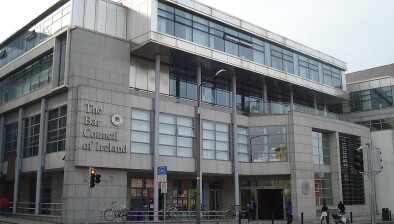
The Bar of Ireland has also opposed the fee cap, as well as environmental groups An Taisce and Friends of the Irish Environment (FIE), who also argue the consultation was unfair.

Share this article:

Subscribe to our newsletter to not miss articles like this one:
 SUBSCRIBE