
Irish citizenship reform proposals risk new barriers to integration, warns human rights barrister
 Reading time: 3 minutes

Colm O'Dwyer SC
Leading immigration and human rights barrister Colm O’Dwyer SC has raised concerns about proposed reforms to Ireland’s citizenship laws, warning that the changes could create significant new barriers for migrants who have built their lives and careers in Ireland.
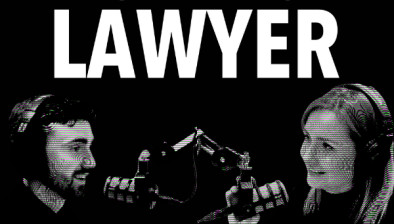
Speaking on the latest episode of the Activist Lawyer Podcast, Mr O’Dwyer discussed the Government’s proposed Irish Nationality and Citizenship (Amendment) Bill 2026, which would increase residence requirements for naturalisation, introduce new language and civics tests, and impose additional eligibility criteria on applicants.
Under the proposals, the residence requirement for most applicants would increase from five years to eight years, with spouses of Irish citizens required to wait five years rather than three before becoming eligible for citizenship.
Questioning the rationale behind the changes, Mr O’Dwyer explained that when existing processing delays are taken into account, applicants could face significantly longer waiting periods before obtaining citizenship.
Mr O’Dwyer noted that the proposed increase from five to eight years’ required residence could, in practice, be considerably longer because of existing administrative delays in the naturalisation process. He pointed to waiting times of up to two years for some applications to be processed, meaning that individuals could spend up to ten years living in Ireland on a temporary immigration permission before becoming citizens.
He warned that prolonged periods on temporary status can create uncertainty for individuals and families seeking to build their lives in Ireland. Unlike citizenship, temporary permissions may be subject to renewal, withdrawal or revocation, making it more difficult for people to put down roots, plan for the future and fully integrate into Irish society.
The reforms come at a time when migrant workers play a vital role across the Irish economy, including healthcare, hospitality, retail, care services and other sectors experiencing workforce shortages.
Speaking about the importance of migration to Ireland’s workforce, Mr O’Dwyer said: “It’s absolutely clear, I think to anyone that looks at these issues and considers them properly, that our economy in the Republic is so dependent on immigrants.”
He further noted that: “At the moment, in the Republic, 1 in 5 of the workforce, 20 per cent of the workforce, are not Irish citizens.”
The proposed legislation would also introduce English language proficiency and civics requirements for naturalisation applicants. While acknowledging that similar measures exist elsewhere, Mr O’Dwyer questioned whether additional administrative hurdles were necessary.
Another area of concern is the proposal to exclude applicants with certain immigration-related offences or periods of irregular status from qualifying for citizenship, a change that could impact people who experienced administrative delays or who previously regularised their status through Government schemes.
Reflecting on the broader policy direction, Mr O’Dwyer stated: “If we want these people to come here and provide this (employment), we need to encourage them and not make it excessively difficult for them to become citizens.”
The proposals have prompted concern among migrant rights organisations, refugee support groups and legal practitioners, who argue that the changes risk undermining integration and making citizenship more difficult to access for long-term residents who have contributed to Irish society for many years.
The full discussion with Colm O’Dwyer SC explores the changing landscape of Irish immigration law, citizenship policy, human rights litigation and access to justice over the last three decades.

Share this article:

Subscribe to our newsletter to not miss articles like this one:
 SUBSCRIBE