


FLAC warns JR restrictions will impact ‘cases which have nothing to do with planning and infrastructure’
 Reading time: 3 minutes

Eilis Barry
Plans to restrict judicial reviews in the name of speeding up infrastructure delivery will impact cases concerning social welfare, social housing and education, FLAC has highlighted.
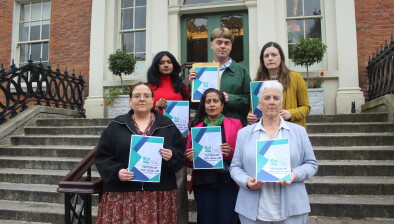
Eilis Barry, chief executive of FLAC (Free Legal Advice Centres), appeared before the joint Oireachtas committee on justice, home affairs and migration yesterday as part of its pre-legislative scrutiny of the general scheme of the Civil Reform Bill.
In her opening statement to the committee, Ms Barry highlighted that the legislation, which arises from the ‘Accelerating Infrastructure’ plan, will impact cases “which have nothing to do with planning and infrastructure”.
She warned that constitutional and public interest cases, such as the recent O’Meara case concerning cohabitants’ access to a widower’s pension, would be blocked by the new rules proposed in the general scheme.
The proposals “constitute a radical curtailment of access to judicial review, and are likely to have a disproportionately negative impact on ordinary people that FLAC represent trying to establish and vindicate their legal constitutional or fundamental rights in relation to very basic public service like social housing, emergency accommodation, additional educational supports, and access to basic social welfare payments,” she said.
If the general scheme is implemented, it “is very likely that it will be extremely difficult, if not impossible, for the average person to challenge unlawful actions in any case that is complex or is without precedent – in that it involves a new point of law or public interest, such as the O’Meara case or the July provision case”, she continued.
Ms Barry also highlighted the “major lack of consultation, transparency, explanation and evidence” in relation to the government’s proposals and has called for the general scheme to not proceed.
She said: “We have written to the minister and have asked why are these changes – which will impact JRs about social welfare, social housing, and education and immigration and which have nothing whatsoever to do with planning and infrastructure – part of the Accelerating Infrastructure plan and contained in the scheme?
“Why do the changes go way beyond those which were recommended by the Kelly review and in Law Reform Commission reports?
“Has there been any human rights, equality and access to justice impact assessments? If not, when will this happen?
“Why hasn’t the Department published a clear and accessible statement of the law pertaining to judicial review and each of the areas where changes are under consideration? When will it do so?
“Why has there been no consultation about these proposals? It was promised.
“What consideration has been given to improving the quality of, and reducing delays, in decision-making by public bodies especially in areas like social welfare and social housing?”
Yesterday’s committee meeting also heard from representatives from the Bar of Ireland, Maynooth University, the Irish Refugee Council, the Legal Aid Board, the Construction Industry Federation and officials from the Department of Justice, Home Affairs and Migration.

Share this article:

Subscribe to our newsletter to not miss articles like this one:
 SUBSCRIBE