


Delayed safeguarding reforms risk endangering disabled people
 Reading time: 3 minutes
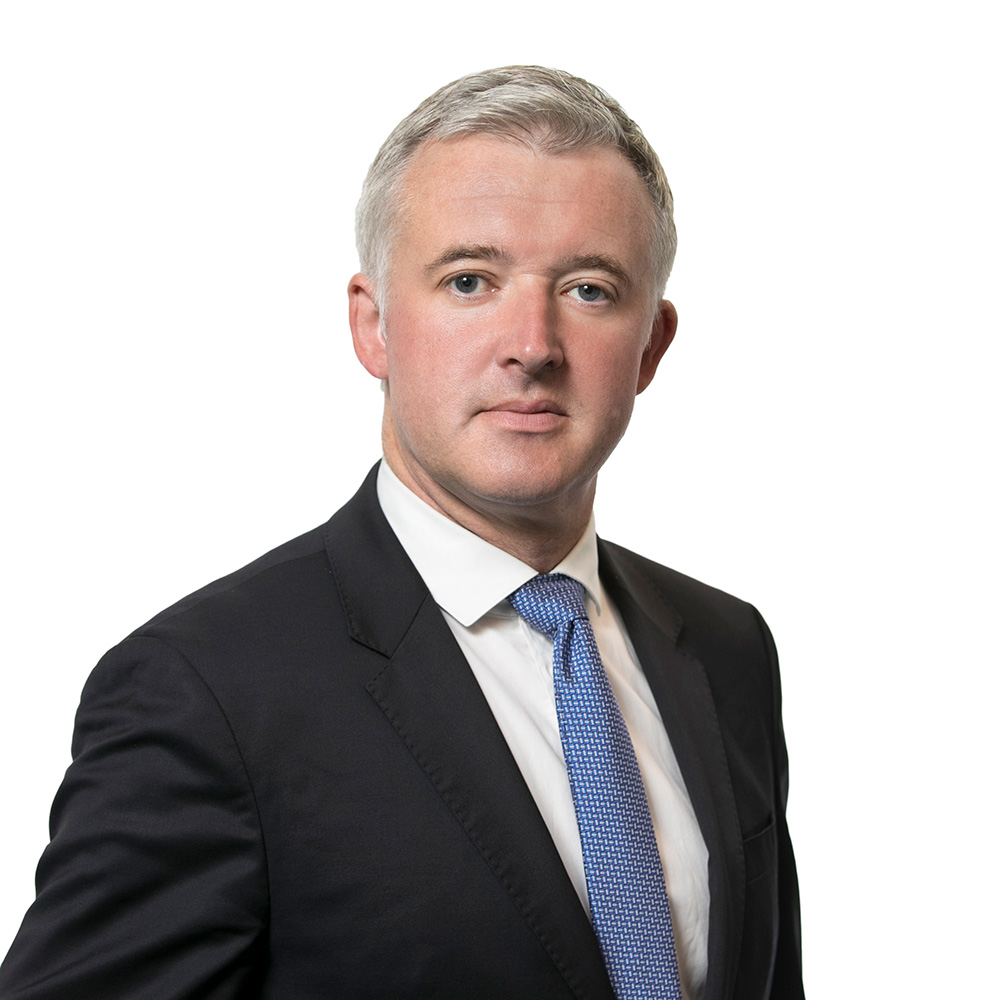
Liam Herrick
The Irish Human Rights and Equality Commission has called for urgent legislative and policy action to protect disabled people from violence, abuse and neglect in institutional settings, following an address by chief commissioner Liam Herrick to the Joint Oireachtas committee on Disability Matters.
Addressing the committee, Mr Herrick welcomed its focus on violence against persons with disabilities in institutional settings, warning that abuse and mistreatment remain among the most urgent and pressing human rights issues in Ireland.
Mr Herrick highlighted findings from the European Union Agency for Fundamental Rights’ (FRA) recent report, Places of Care = Places of Safety?, which found that violence, coercion, financial abuse, restrictive practices, over-medication and neglect continue to occur in institutional settings. He noted that these harms are often enabled by fragmented oversight, inadequate complaints systems and significant gaps in Ireland’s legislative framework. While acknowledging recent progress, including the publication of the National Policy Framework on Adult Safeguarding and ongoing work on revised HIQA standards, Mr Herrick stressed that reform is moving far too slowly.
“The pace of change does not match the urgency of the problem,” he said. “Disabled people cannot afford further delay.”
The commission expressed particular concern about the continued absence of adult safeguarding legislation and the delayed introduction of Protection of Liberty Safeguards. Mr Herrick warned that, as Ireland moves to abolish wardship, many disabled people remain without adequate legal protections against unlawful deprivation of liberty. Approximately 1,000 people remain subject to wardship arrangements.
The commission also reiterated the need for a sustained national commitment to deinstitutionalisation, emphasising that institutional settings themselves can create conditions in which abuse flourishes.
“The most effective safeguard is to ensure that people can live independently and be included in their communities,” Mr Herrick said. “That requires real investment in housing, personal assistance and community-based supports.”
Mr Herrick further underlined the commission’s incoming role as Ireland’s Co-ordinating National Preventive Mechanism under the Optional Protocol to the UN Convention Against Torture, and the need for further human rights oversight of disability residential services and mental health settings.
He noted that Ireland’s forthcoming review before the UN committee on the Rights of Persons with Disabilities will place renewed international scrutiny on the State’s record in protecting disabled people from violence and abuse.
Mr Herrick called on Government to prioritise the publication and enactment of adult safeguarding legislation and Protection of Liberty Safeguards without further delay.
He added: “This is not a legacy issue. It is about people living in institutions right now, today, across Ireland. For too many people, places of care are still not places of safety.”

Share this article:

Subscribe to our newsletter to not miss articles like this one:
 SUBSCRIBE