Children’s safety and wellbeing at risk as Dublin family court disruption enters fifth week
 Reading time: 3 minutes

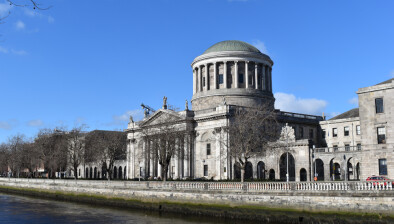
'Dolphin House'
Credit: Kenneth C. Zirkel [CC BY-SA 4.0]
The safety and wellbeing of vulnerable children and families could be seriously compromised by continuing disruption at Dublin’s District Family Law Court according to campaign group Right to Transparency.
As a work-to-rule at Dolphin House enters its fifth week, repeated court closures and adjournments have left families waiting for decisions affecting their safety and access arrangements.
Advocacy group Right to Transparency is calling on justice minister Jim O’Callaghan to urgently intervene, with two courtrooms repeatedly unable to sit and families facing mounting distress, financial costs and uncertainty. Yesterday three courtrooms were unable to sit.
The group warns that court decisions concerning domestic abuse, child custody and access can have immediate and profound consequences for the safety, wellbeing and stability of children and their parents.
“People attending court for safety and barring order applications and child custody and access proceedings have spent days waiting, sometimes accompanied by their children, and taken unpaid leave from work, only to be told their cases cannot proceed,” said Síle Ní Dhubhghaill co-founder of Right to Transparency.
“For a parent waiting to hear what will happen to their child, or for someone seeking protection from abuse, this is not simply an inconvenience. For anyone whose own safety or the safety of their children depends on a court order, delays and uncertainty about the status of that order can have serious consequences.”
One mother, Lavinia, who is involved in ongoing custody proceedings described how the delays have affected her and her children.
“I’m involved in a long-running and deeply distressing family law case concerning the custody of my children,” she said.
“The recent court closures and delays have added enormous stress to an already emotionally exhausting process. Every postponed hearing means more uncertainty for my children’s lives at a time when they need stability.
“There is a lot of preparation behind a family law hearing. When a hearing is cancelled, that work is wasted, costs go up and we are left in limbo. The children are the ones who feel it most.”
Right to Transparency understands that the work-to-rule includes a refusal to take on additional duties, including recruitment-related work and that a replacement registrar has not been appointed since the previous registrar retired.
“These are not cases that can simply be pushed back without consequences,” said Ms Ní Dhubhghaill.
“The disruption has now lasted more than a month. The minister needs to engage with Courts Service urgently and find out how sittings can resume, how postponed cases will be heard and what support is available to families while they wait.”
“While court services workers have every right to negotiate for better conditions, families need certainty that urgent cases will be heard and that nobody will be left without access to essential legal protection.”
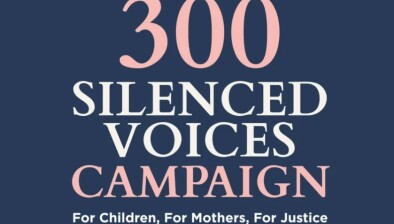
The latest disruption comes as Right to Transparency’s “300 Silenced Voices” campaign has received more than 180 anonymous testimonies about people’s experiences of Ireland’s family justice system, just four weeks after it launched.
The campaign aims to collect 300 testimonies for a planned submission to the United Nations Committee Against Torture. Right to Transparency is inviting accounts from mothers who believe they or their children have been failed by the family court system or Tusla, and from adults who experienced failures in the system as children.
The group says the testimonies will help show recurring concerns within the family justice system and inform its submission.

Share this article:

Subscribe to our newsletter to not miss articles like this one:
 SUBSCRIBE