
Cambodia: More than 70 per cent of scam compounds escaped crackdown
 Reading time: 4 minutes
The Cambodian government’s crackdown on scamming compounds has failed to dismantle the vast majority of sites in the country or protect and support thousands of people subjected to human trafficking, torture and slavery, Amnesty International said in a new report released today.
Falling Through the Cracks: Cambodia’s “Crackdown” on Scamming Compounds documents how authorities have largely failed to identify trafficking victims or hold perpetrators to account. Amnesty’s research reveals how several compounds are moving location to escape the crackdown and details multiple accounts of rape inside compounds.
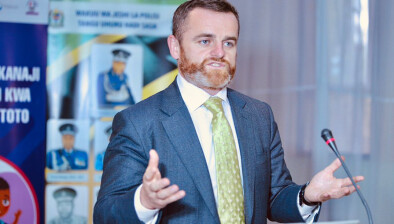
“The Cambodian government has carefully managed the optics of its scamming crackdown, but behind every headline about a compound raid or arrest are survivors of slavery, torture and rape left with almost no support,” Amnesty International’s co-regional director Montse Ferrer said.
“This much-vaunted crime offensive has not done enough to end the suffering of those trapped inside scamming compounds. More than 70 per cent of the compounds identified by Amnesty appear to have been bypassed by the crackdown, while ineffective police interventions at other compounds have missed victims and left them facing horrific abuses – all as the government applauds its own work.”
In June 2025, an Amnesty International report found that more than 50 scamming compounds across Cambodia were sites of widespread slavery, human trafficking, forced labour and torture, operating as prison-like facilities controlled by organised criminal groups.
The new 150-page research released today identifies an additional 33 scamming compounds and includes testimony from a further 73 survivors, from 16 countries, who had been held in compounds during the crackdown. All describe the same patterns of abuse documented in Amnesty’s previous report.
Following Amnesty’s report, in July 2025 Cambodia launched its largest-ever crackdown on scam operations, pledging to wipe out the criminal networks responsible for large-scale fraud of victims around the world. Several high-profile gang leaders have since been arrested and authorities claim to have shut down more than 200 scam centres.
However, Amnesty International’s findings cast serious doubt on the crackdown’s impact. Of a total 86 compounds identified by Amnesty International, there was evidence of state intervention at only 24. Amnesty International obtained evidence of mass releases and escapes at an additional seven compounds.
Even when interventions did occur, Amnesty found that they were often ineffective, undermined by apparent collusion between compound managers and police, or only carried out in reaction to some form of public pressure. In three separate instances, police intervened at a compound but Amnesty International interviewed victims abused at those locations afterwards.
Survivors interviewed in Amnesty’s report came from across the world, including Africa, Latin America and Asia, highlighting the transnational nature of the scam industry. One survivor, Winta, who was trafficked from East Africa when she was 16 years old after being offered a fictitious job on a cruise ship, described being moved between compounds during the crackdown to evade police.
“They handcuffed me to a chair and made me stand for two days. Then they beat us and put us in the car,” she said.
She was eventually abandoned at night alongside other victims. When police arrived, she said they threatened to return her to the compound rather than offer help. Left with nowhere to go, she turned to local Cambodians who helped her escape the area. Her story reflects a recurring pattern where Cambodia’s authorities have failed to dismantle scam operations while also pushing survivors deeper into danger.
Despite lauding the success of the crackdown, the Cambodian authorities have failed to make public detailed information about which sites were investigated or evidence supporting their claims of closures. The government has not responded to questions sent by Amnesty International in relation to its investigation. At the same time, journalists and rescue workers have faced arrests and intimidation, further limiting independent scrutiny.
Ms Ferrer said: “The Cambodian government’s total lack of transparency makes it impossible to verify their claims and undermines trust in the entire process. The unavoidable conclusion is that many of the people behind the most abusive compounds have not been brought to justice.”

Share this article:

Subscribe to our newsletter to not miss articles like this one:
 SUBSCRIBE