


Analysis: Garda CCTV safeguards exist for good reason
 Reading time: 3 minutes
Expanded Garda surveillance powers risk undermining established data protection safeguards unless necessity, proportionality and oversight remain central to their use, writes the ICCL.
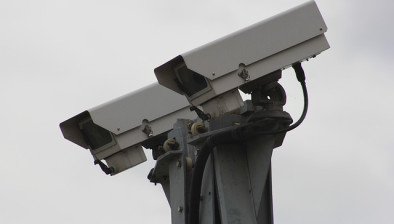
CCTV systems can have legitimate purposes, such as securing premises. But, unless CCTV is used proportionately, it risks becoming an unreasonable and unlawful intrusion into the data protection and privacy rights of individuals.
This is why we have data protection laws – to protect us from that intrusion.
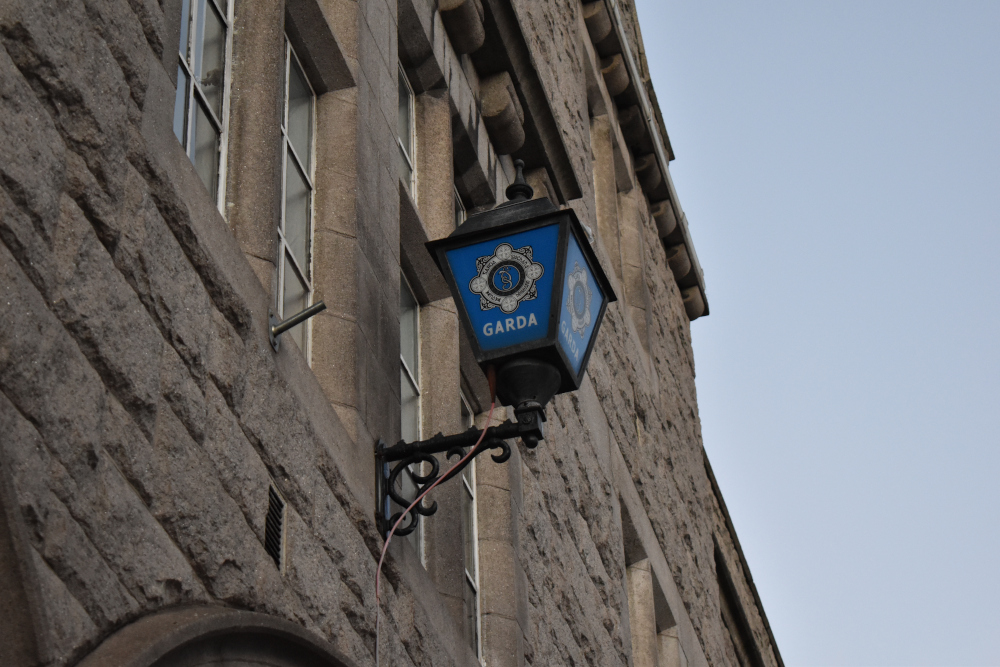
An Garda Síochána can install cameras to prevent or investigate crime, to protect public safety or public order, and to safeguard the security of the State. But they cannot simply erect cameras wherever and whenever they like. There are good reasons for this – whether you’re going to the shop or at a protest, none of us wants to be watched and tracked by the guards unnecessarily.
Under the Garda Síochána (Recording Devices) Act 2023, gardaí have to apply to the Garda Commissioner for authorisation to install CCTV, explaining how, where and for how long the CCTV will be used. They also need to carry out a Data Protection Impact Assessment to identify and minimise risks to peoples’ rights.
If the Garda Commissioner, based on all the provided information, is satisfied that installing CCTV in a specific area, for a specific length of time, and for a specific purpose, is necessary and proportionate, then he can grant permission for that CCTV to be installed. A Garda code of practice sets out in more detail how the CCTV should be operated.
These are not examples of “unnecessary bureaucracy”. They are legal safeguards grounded in data protection and privacy laws, designed to prevent unreasonable and unlawful intrusion into the data protection and privacy rights of individuals.
It is unclear why new legislation is being put forward that, it seems to be suggested, will be designed to circumvent or bypass safeguards, which reflect basic rights recognised in the Charter of Fundamental Rights.
The Garda Síochána (Recording Devices) Act 2023 also gives An Garda Síochána the power to compel third-party CCTV operators (e.g., shopping centres, stores, or music venues) to provide a live feed of their CCTV to An Garda Síochána – for up to 72 hours based on internal Garda approval or, if for a longer period, based on authorisation from the District Court. It also provides for Garda use of body-worn cameras, drones and automatic number plate recognition.
The government plans to introduce facial recognition technology and other biometric powers for An Garda Síochána to categorise and identify us. Gardaí routinely collect CCTV footage from private and/or retail premises across Dublin when investigating crimes as is evidenced every day in the criminal courts. All of this is to say that the reference to 209 Garda-operated cameras does not give a full picture of Garda access to CCTV imagery.
Nobody wants to live in fear of crime or witness their local area being vandalised. But more surveillance and more collection of data through CCTV, body-worn cameras and other technology, is not the whole answer. In fact, it may only serve to sow greater distrust between local communities and An Garda Síochána. Questions need to be asked about the efficacy of CCTV for this purpose; and what less intrusive, and potentially more effective options, exist and whether they have been properly tried

Share this article:

Subscribe to our newsletter to not miss articles like this one:
 SUBSCRIBE