


WRC rejects Brazilian man’s discrimination complaint over refusal to exchange driving licence
 Reading time: 3 minutes
Credit: Frank / Adobe Stock
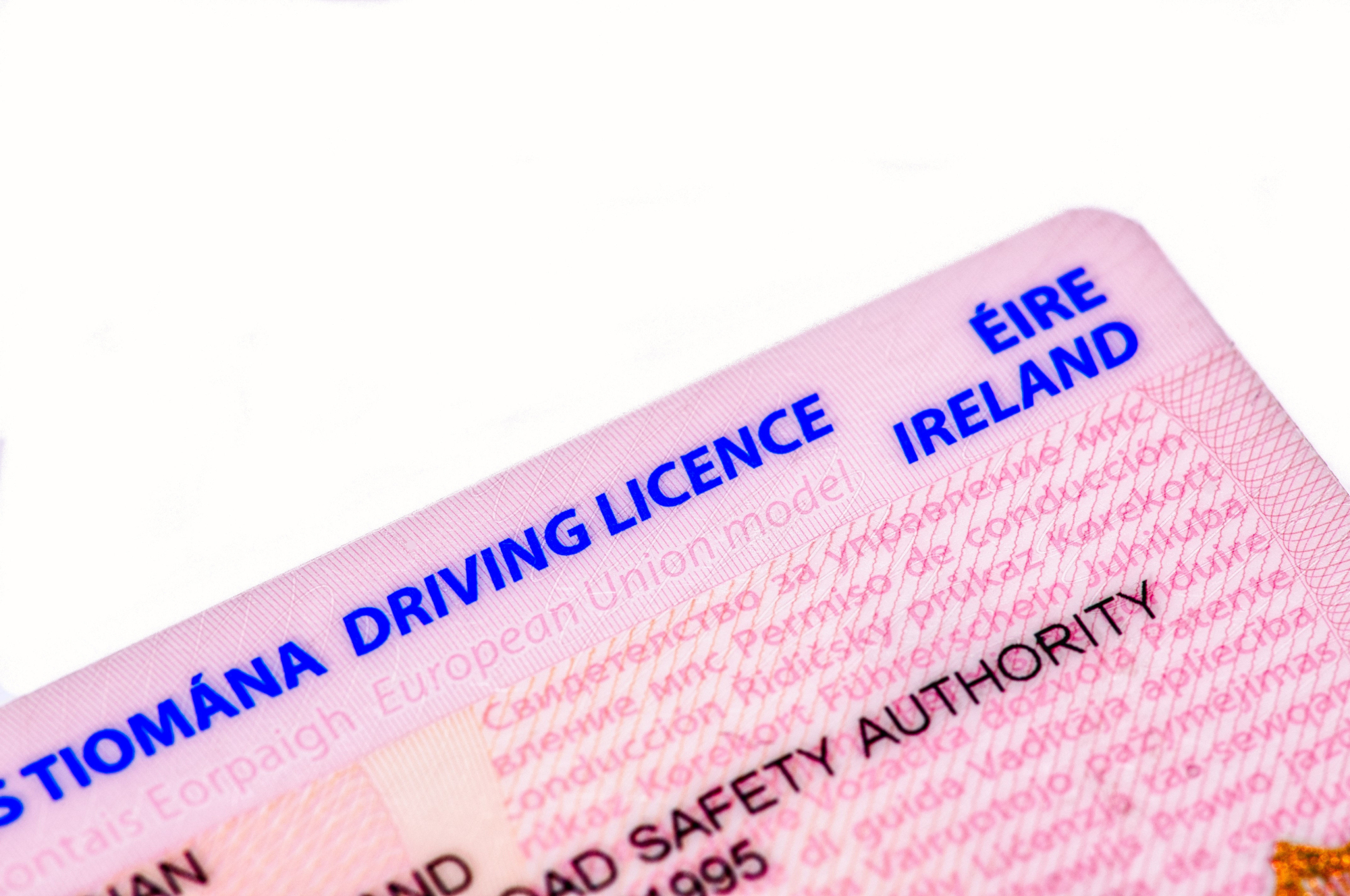
The Workplace Relations Commission (WRC) has dismissed a complaint of discrimination from a Brazilian national refused an exchange of his Portuguese driving licence for an Irish one.
Leonardo De Oliveira Lima brought proceedings against the Road Safety Authority (RSA) under the Equal Status Act 2000 on the grounds of race and family status as well as victimisation.
The National Driver Licence Service (NDLS), operated by the RSA, declined to exchange his Portuguese licence because it carried a “Code 70”, indicating that it originated from a non-EU country, Brazil, with which Ireland does not have a licence exchange agreement.
Mr De Oliveira Lima, who works as a professional driver in Ireland, argued that his Portuguese licence should be treated as an EU licence for exchange purposes, regardless of its Brazilian origin.
He submitted that the refusal was disproportionate, unfair, and indirectly discriminatory, particularly given the impact on his employment and family life. He also contended that EU law required mutual recognition of licences issued by EU member states.
The RSA denied any unlawful conduct, stating that it was bound by the Road Traffic (Recognition of Foreign Driving Licences) Order 2007, which expressly excludes licences issued by an EU member state where the licence was itself exchanged from a non-EU country not recognised by Ireland.
The RSA maintained that it had no discretion to act otherwise without acting ultra vires.
In a decision issued earlier this month, the WRC accepted the RSA’s position, finding that the refusal flowed directly from statutory requirements and was therefore exempt from the Equal Status Acts under section 14(1)(a)(i).
The complainant had not passed a driving test in any EU member state and Brazil is not among the third countries whose licences Ireland recognises for exchange, adjudication officer Dónal Moore noted.
He further found that the complainant had failed to establish a prima facie case of discrimination. No valid comparators were identified, and there was no evidence that a person of a different race or family status would have been treated differently in similar circumstances.
Mr Moore concluded: “There is nothing in what the complainant has offered me by way of evidence that allows me to draw an inference of discrimination. Further, it is clear to me that the respondent was acting following the law at all times and is exempt from the provisions of the Act by virtue of section 14(1)(a)(i).
“I have to conclude that the complainant has been misguided in their complaint, and it is frivolous and vexatious… I can only find the complainant not well-founded.”

Share this article:

Subscribe to our newsletter to not miss articles like this one:
 SUBSCRIBE