

Bereaved NI families win compensation after benefits discrimination battle
 Reading time: 5 minutes
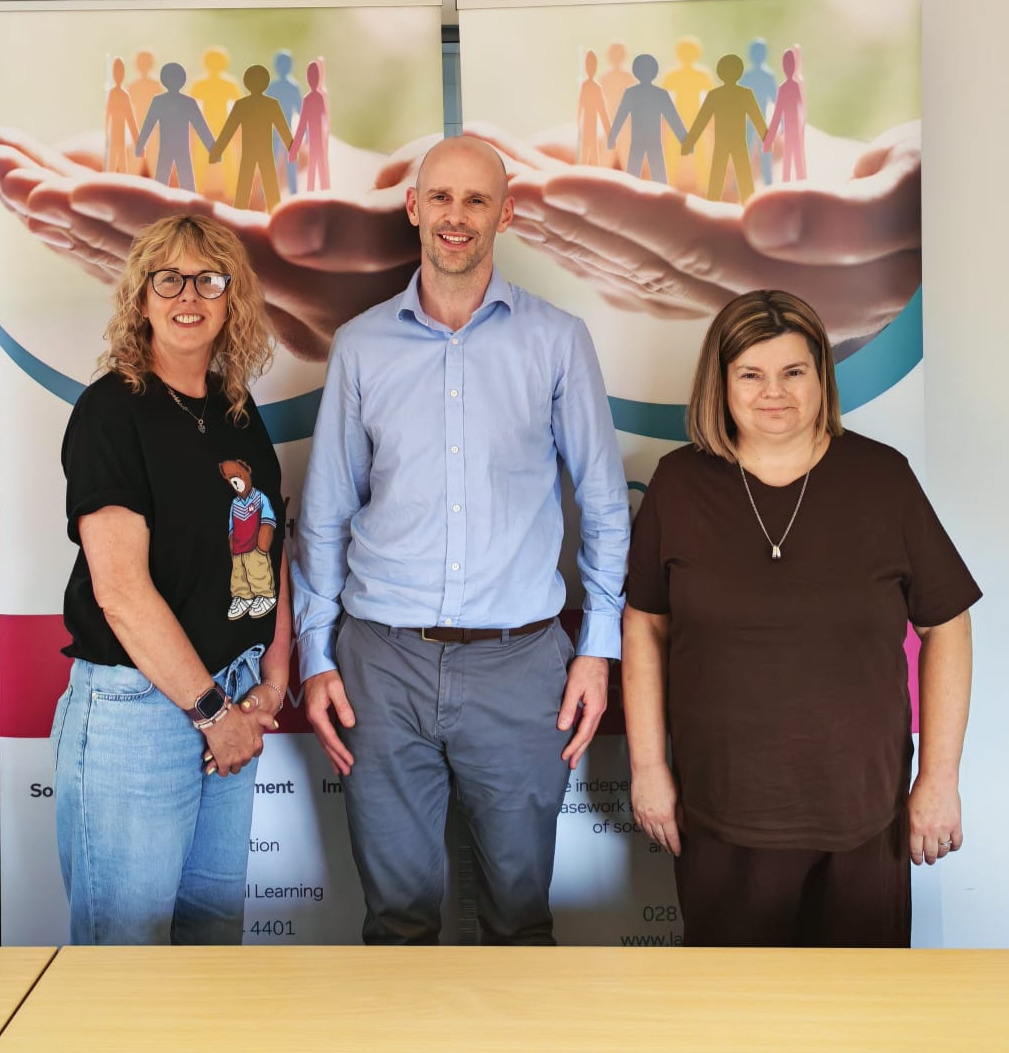
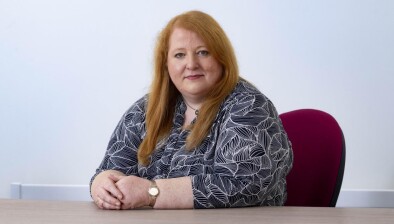
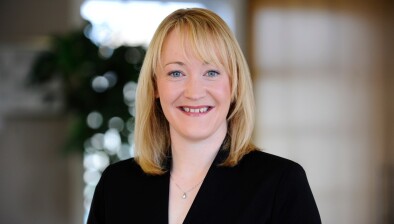
Siobhan McLaughlin, Owen McCloskey, and Joanne Armstrong
Law Centre NI has welcomed settlements that bring an end to a decade-long struggle for justice for bereaved families whose human rights were breached when they were denied bereavement benefits because they were not married to their partners.
Three women who were denied bereavement benefits because they were not married to their partners have secured compensation following years of legal challenges concerning historic breaches of their human rights.
The settlements end a long fight for justice and follow the landmark case brought by Siobhan McLaughlin, which established that excluding unmarried cohabiting parents from bereavement benefits was discriminatory and incompatible with human rights protections.
While the outcome of Ms McLaughlin’s UK Supreme Court case changed the law for future bereaved families, the subsequent claims supported by Law Centre NI secured compensation for families whose human rights had already been breached before the law was reformed. Bereavement benefits are intended to help families cope with the immediate financial impact of losing a partner. For many years, however, those benefits were available only to people who were married or in a civil partnership, leaving many cohabiting families without support at a time of profound loss.
Ms McLaughlin lived with her partner, John, for 23 years and they had four children together. Following John’s death from cancer in 2014, she discovered that she was not entitled to Widowed Parent’s Allowance because the couple had never married. The loss of bereavement support left her struggling to provide for her family. She took on three jobs and increased her working hours, reducing the time she was able to spend with her children as they navigated the devastating loss of their father.
Determined that no other family should experience the same injustice, Ms McLaughlin challenged the law. Her case ultimately reached the UK Supreme Court, which ruled that restricting Widowed Parent’s Allowance to married couples and civil partners breached the human rights of unmarried cohabiting parents and their children. The case led to a significant change in the law. The Bereavement Benefits (Remedial) Order 2023 extended entitlement to eligible cohabiting parents from 30 August 2018 onwards, enabling thousands of additional bereaved families to access vital financial support.
However, despite the finding that her rights had been breached, she received no compensation for the period between John’s death in 2014 and the change in the law in August 2018.
Joanne Armstrong faced a similar experience. She lived with her partner, Paul Hunter, for 20 years and they had two children together. Following Paul’s death in 2014, she applied for Widowed Parent’s Allowance but was refused because the couple were not married.
After learning of Ms McLaughlin’s initial success in the High Court, she submitted a further claim in 2016. That claim was also refused, and her appeal was effectively placed on hold pending the outcome of the McLaughlin litigation.
When entitlement was eventually extended to cohabiting parents from August 2018, she received only three days of Widowed Parent’s Allowance, leaving her uncompensated for the four-year period following Paul’s death.
Law Centre NI represented Ms Armstrong and a second client, known as AD, in proceedings arising from the refusal of bereavement benefits before August 2018. Although the law had subsequently been changed following Siobhan McLaughlin’s Supreme Court victory, no remedy had been provided for families who had suffered human rights breaches before that date.
During proceedings before the Northern Ireland Court of Appeal, the Department for Communities and the Department for Work and Pensions accepted that refusing bereavement benefits to cohabiting surviving parents before 30 August 2018 was incompatible with the appellants’ human rights.
While the Court of Appeal declined to grant the specific remedy sought in those proceedings, it recognised that the claimants could pursue compensation through a claim for damages under the Human Rights Act 1998. Alongside these proceedings, Law Centre NI assisted Ms McLaughlin in pursuing remedies through domestic and international legal avenues. Following the Court of Appeal decision, Law Centre NI pursued claims on behalf of Ms Armstrong, AD and later Ms McLaughlin, arguing that compensation was necessary to provide an effective remedy for the acknowledged human rights breaches they had suffered.
As a result of these efforts, settlements were reached with the Department for Communities in all three cases.
Ms McLaughlin, Ms Armstrong and AD each received full compensation for the financial losses they suffered as a result of being denied bereavement benefits prior to August 2018.
Owen McCloskey, acting solicitor and head of social security at Law Centre NI, said: “In each of these cases, I have been struck by the additional impact that the denial of this necessary support had on widowed parents trying to cope in tragic circumstances. It has not been easy to stay the course, but each client remained motivated by the aim of ensuring that no other parent, or their children, would have to experience the same injustice.”

Share this article:

Subscribe to our newsletter to not miss articles like this one:
 SUBSCRIBE