


Stormont divided after UK Supreme Court backs government on Legacy Act challenge
 Reading time: 3 minutes
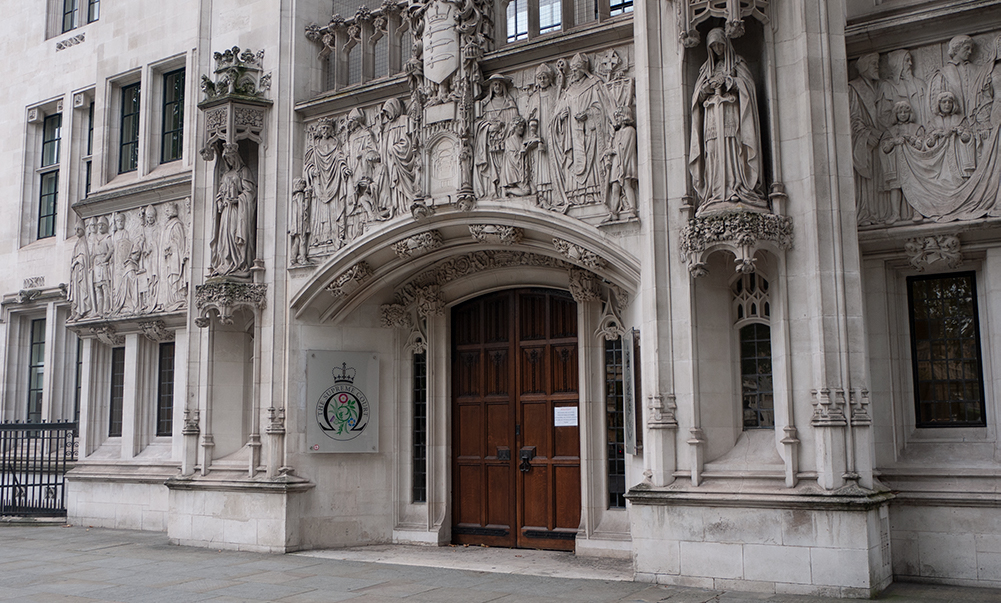
A UK Supreme Court ruling on the Legacy Act and the Windsor Framework has drawn sharply contrasting reactions from politicians and campaigners in Northern Ireland.
The court ruled unanimously that elements of the 2023 Legacy Act did not diminish victims’ rights under the Windsor Framework, overturning earlier judgments by Northern Ireland’s High Court and Court of Appeal.
Introduced by the previous Conservative government, the legislation ended Troubles-related police investigations and inquests, while offering conditional immunity to perpetrators who co-operated with the Independent Commission for Reconciliation and Information Recovery (ICRIR).
The Labour government has since moved to overhaul the Act, with MPs already voting to repeal the immunity provisions and remove restrictions on future compensation claims.
The legal dispute centred on Article 2 of the Windsor Framework, which commits the government to ensuring that rights protected under the Good Friday Agreement are not diminished after Brexit.
The challenge had been brought by the Northern Ireland Office despite plans to amend the legislation. Four victims – Martina Dillon, John Mcevoy, Brigid Hughes and Lynda Mcmanus – opposed the appeal.
In a 77-page judgment, Lords Reed, Hodge, Lloyd-Jones, Hamblen and Stephens concluded that the victims were “unable to establish that the 2023 Act led to a diminution of rights”.
Gavin Booth of Phoenix Law, representing the victims, described the outcome as “disappointing” and said it had “left victims and families in a state of flux”. He added that the case could now proceed to the European Court of Human Rights.
Amnesty International UK’s Northern Ireland deputy director, Grainne Teggart, called the ruling a “bitter blow to victims” and a “tipping point for truth and transparency”.
First Minister Michelle O’Neill said legacy processes must command victims’ confidence and comply with human rights obligations.
“I think that the British Government have demonstrated that they are prioritising the needs of British state forces over the needs of victims – and I think that is cruel, to be quite blunt about it,” she said.
Deputy First Minister Emma Little-Pengelly welcomed the judgment, arguing that some had sought “an expansionist interpretation” of Article 2 that could have required Northern Ireland law to dynamically align with EU law.
“That would have had all kinds of consequences much further than this very specific issue in this case – so I think it’s the right decision,” she said.
Taoiseach Micheál Martin said: “My view is that the joint framework agreement that we have on the table – and that’s being legislated for at the moment in Westminster – is the best opportunity in a generation to bring into effect a meaningful, impactful and sustainable legacy framework.

Share this article:

Subscribe to our newsletter to not miss articles like this one:
 SUBSCRIBE