

Report: Legal sector must balance AI translation with human oversight
 Reading time: 3 minutes
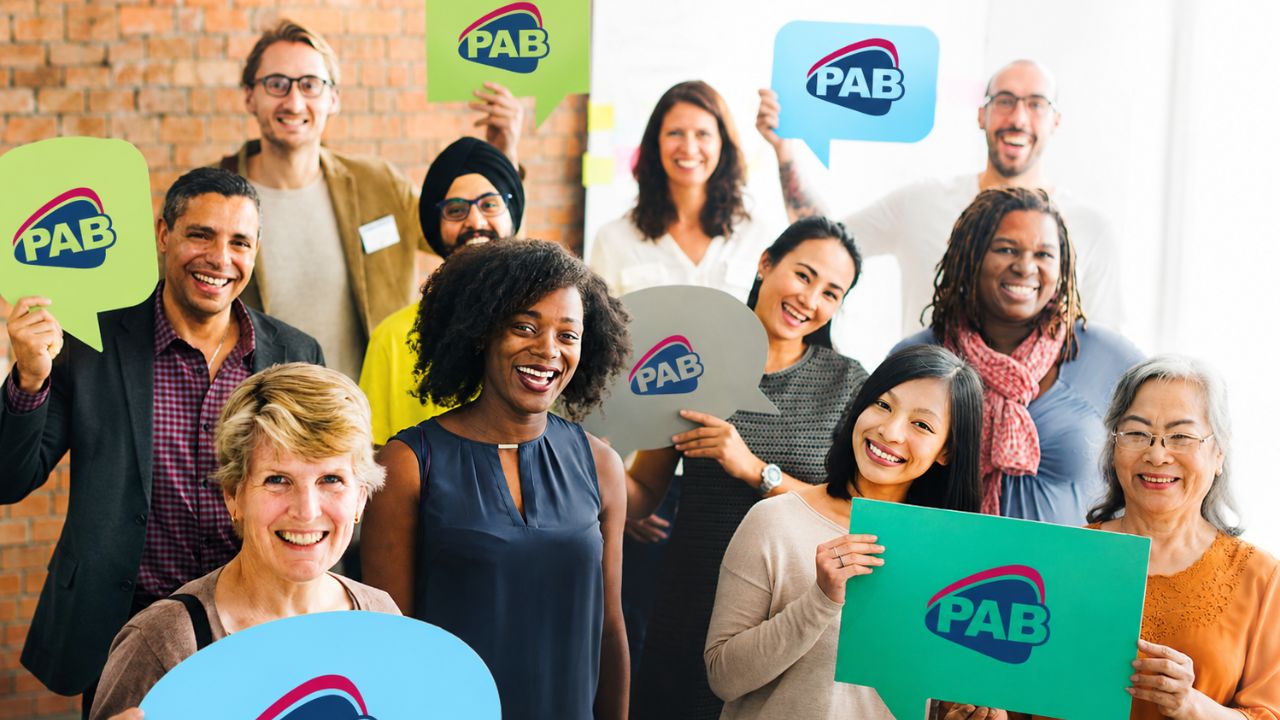
Using AI language translation in the legal sector requires a hybrid system, balancing technology with strong regulation and human oversight, according to PAB Languages Centre report released today.
In its report, AI in Translation: Lessons from the front line at PAB, the organisation found that 60 per cent of participating businesses use AI translation tools to enhance their communications.
However, the study, based on feedback from PAB’s linguists and project managers, found fewer than 30 per cent of organisations have clear governance frameworks in place for AI use. The report also found that 40 per cent of employees report using AI tools without formal approval, guidance or training from their organisation.
PAB works with law firms and regulated organisations supporting certified legal translation and multilingual communication.
Chief executive Iwona Lebiedowicz said: “AI translations have their place, but must be embedded thoughtfully, not blindly.”
She added: “If used responsibly, AI can support efficiency and enhance workflows, but only alongside professional linguistic expertise, supported by strong governance, transparent processes and human judgment where accuracy matters most.
“Organisations should also ensure AI tools comply with their information governance, confidentiality and data protection obligations before client information is processed.
“In the legal sector, every clause is reviewed for risk, accountability and professional responsibility, and our practitioners report that editing AI-generated legal translations can take as long as, or longer than, human translation, offsetting any speed gains.”
PAB’s project managers report that AI frequently produces multiple variants of the same term or phrase within a single document and said that real consistency requires human oversight and structured processes. Inaccurate legal translations can delay international contracts, create compliance risks and damage commercial relationships.
Ms Lebiedowicz said: “Based on feedback from PAB’s legal linguists and project managers, AI struggles with the ambiguity of the legal sector. Even with controlled terminology and glossary management, practitioners report that AI can produce multiple variants of the same term, inconsistent terminology, fragmented meaning and cultural inaccuracies.
“The gap between ‘sounds right’ and ‘is right’ is where risk quietly enters. Language models can produce well-formed, fluent translations, but fluency on the surface alone does not guarantee reliability.”
She explained that detailed instructions, approved glossaries and document-level context can significantly improve AI accuracy. However, developing, maintaining and continuously refining these resources requires ongoing investment in governance, quality assurance and expert oversight, which should be considered when evaluating the true efficiency of AI-enabled translation.
PAB Languages Centre is hosting a free webinar in September to give organisations guidance on; compliance and confidentiality when adopting AI within legal environments, protecting client trust in an AI-enabled practice, ensuring people and technology evolve together, and practical frameworks organisations can implement immediately.

Share this article:

Subscribe to our newsletter to not miss articles like this one:
 SUBSCRIBE