




Prison overcrowding deepens mental health crisis, IPRT warns
 Reading time: 6 minutes
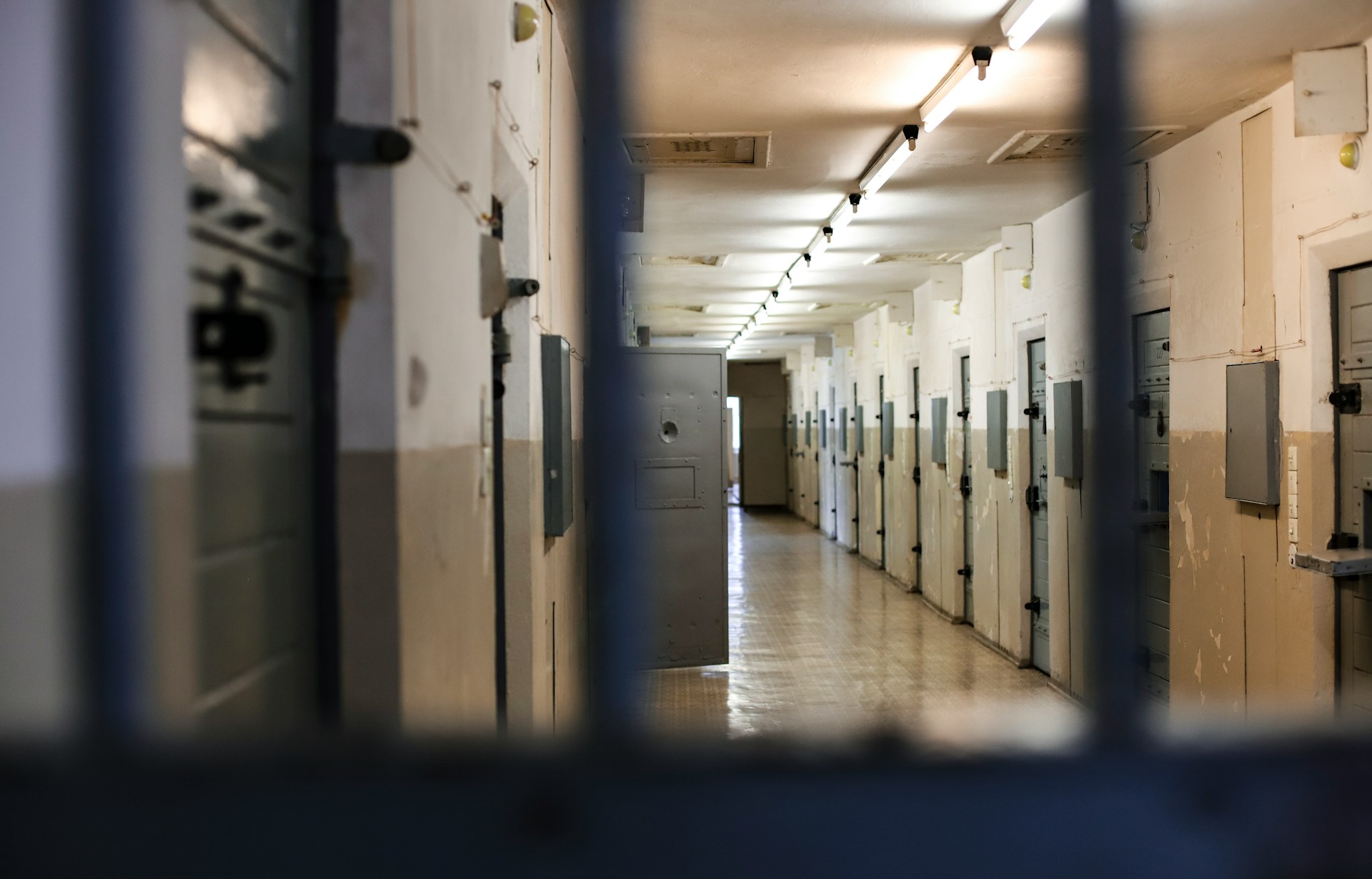
The Irish Penal Reform Trust (IPRT) has today launched the 2025 Progress in the Penal System (PIPS) Report, warning that Ireland’s prison system is “sinking under the weight of prison numbers” and that people with mental health difficulties continue to be held in prison without access to appropriate care.
Now in its eighth edition, the PIPS Report provides an annual assessment of how Ireland’s penal system is performing against 35 human rights-based standards grounded in dignity, safety, transparency, and equality.
The 2025 findings paint a deeply concerning picture. Of the 35 standards assessed, 21 regressed, while just one standard showed progress. Eight were assessed as mixed, three showed no change and two could not be assessed due to insufficient information.
Speaking at today’s launch, Saoirse Brady, executive director of IPRT said: “The findings of PIPS 2025 are deeply concerning. We are seeing a prison system under extraordinary pressure with overcrowding affecting almost every aspect of prison life. Within the space of a year, we have seen a 10 per cent increase in the average daily number of people in custody rising to a high of 5,810 towards the end of 2025 meaning the prison estate was operating at 124 per cent capacity.
“But behind the statistics are people – many of whom are living in inhumane and degrading conditions. Last year 377 shared a cell with three or more other people and on the last day of 2025, 596 people were sleeping on a mattress on the prison floor. More than 3,600 people could not use the toilet in private, having to use a shared unpartitioned toilet in a small, cramped cell which acts as their bedroom, dining room and living space”.
This year’s report places a particular spotlight on mental health in Irish prisons, highlighting the continued imprisonment of people with serious mental health difficulties, inadequate access to mental healthcare, and the damaging impact of severe overcrowding on people’s mental health and wellbeing.
On people with mental health difficulties in prison, report author Martha Lewis stated: “When it comes to mental healthcare in prison, we are facing a two-pronged problem – people in need of forensic psychiatric care remain in prison when they cannot access appropriate facilities or where other hospitals in the community refuse admissions from prison as there is no statutory framework to support and enable this.
“This report highlights that in 2025, an average of 28 people were awaiting transfer from prison to the Central Mental Hospital, compared with an average of approximately 20 people in 2024. By October 2025, 35 people were awaiting transfer. IPRT is concerned that the shortage of forensic psychiatric capacity, combined with a lack of step-down facilities, is contributing to people remaining in prison when they require specialist psychiatric care. We know that the CMH and local hospitals have refused transfers from prison, citing a lack of resources and capacity to care for individuals deemed violent or disruptive.
“On the other hand, we see a large number of people in prison who remain on waiting lists for psychology services until the day of their release and leave prison without necessary help and support. In July 2025, there was approximately one psychologist for every 183 people in prison, compared with an international target of one psychologist for every 150 people”.
Key Findings - PIPS 2025
In the 2025 edition, of the 35 standards that could be fairly assessed on the information available, IPRT noted:
- Progress in one area: reduction in numbers of deaths in custody;
- Regress in 21 standards
- Eight standards assessed as mixed
- Three standards showed no change
- Two standards could not be assessed due to insufficient information.
Key Recommendations
The PIPS 2025 report calls for:
- The State to implement the recommendation of the European Committee on the Prevention of Torture (CPT) to introduce an enforceable ceiling on the number of people who may be accommodated in prison in line with actual prison capacity.
- The immediate operationalisation of all remaining Central Mental Hospital beds, with sufficient staffing and resources;
- Development of additional forensic mental health capacity, including lower-security and step-down facilities;
- The establishment of Intermediate Care Rehabilitation Units in the South and West to facilitate step-down.
- The HSE should ensure that appropriate local psychiatric hospitals can accept people transferred from prison for treatment;
- Expansion and national roll-out of Prison In-Reach and Court Liaison Services (PICLS);
- Formalisation and national expansion of the CAST model, which provides an interagency response to people experiencing mental health crisis;
- Urgent recruitment of psychologists, occupational therapists and psychiatric nurses within the prison service;
- A comprehensive Mental Health and Disability Needs Assessment across the prison population.
Ms Brady concluded: “The State has a long and dark history with institutionalisation. The problems identified in PIPS 2025 are not new. Without alternatives and diversion pathways, it continues to rely on prison to fill gaps in our mental health system. We need properly resourced forensic mental health services, step-down facilities, effective diversion pathways and appropriate mental healthcare within prisons.
“On a positive note, we saw significant progress in 2025 in terms of a reduction of deaths in prison down from a record high in 2024. However, in terms of progress in other areas, positive efforts and developments to improve conditions are too often undermined by the serious strain on overstretched prison services and supports, intensified by the unsustainable volume of people currently accommodated in Irish prisons.
“One in five people in prison are on remand, while 74 per cent of committals resulted in sentences of less than 12 months. We cannot continue to respond to these pressures simply by creating more prison spaces at an annual cost of €103,000 for each one. Prison must be a genuine last resort, supported by effective community sanctions, diversion and properly resourced services in the community including housing and healthcare.
“Ultimately what is required is the political will to take a different approach, which may not appear to be the most politically popular option but is evidence-informed and will go a long way towards helping to deliver a more proportionate, humane and effective system.”

Share this article:

Subscribe to our newsletter to not miss articles like this one:
 SUBSCRIBE