

Noeline Blackwell: A social media ban or curfew is not a silver bullet
 Reading time: 5 minutes
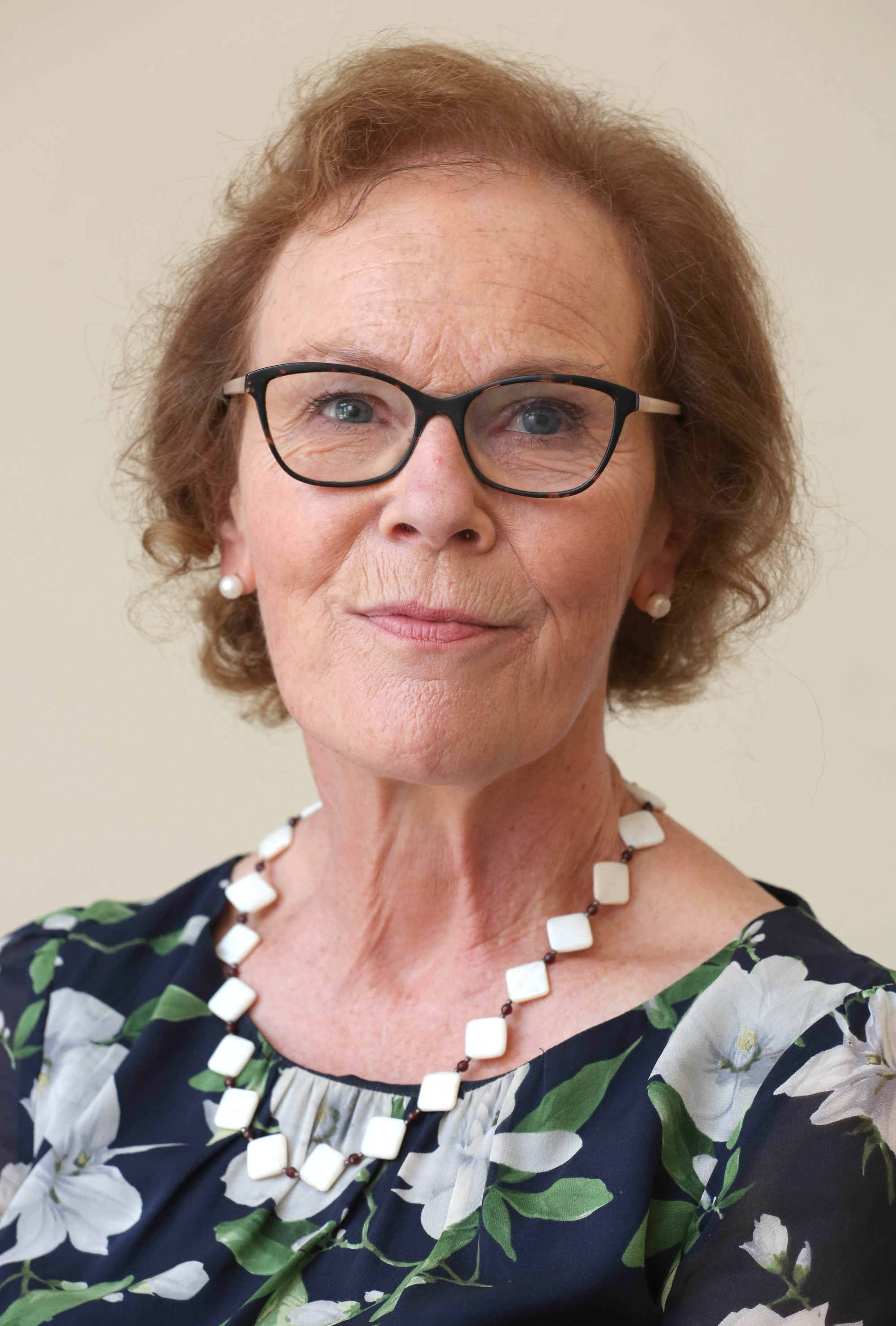
Noeline Blackwell
Proposals to ban under-16s from social media are a distraction from the fact that governments should enforce existing laws and force technology companies to redesign platforms rather than place further restrictions on young people, writes Noeline Blackwell.
Yet again prominent politicians decree that a ban on social media for children and young people under 16 is the solution to keeping children safe online. UK Prime Minister Keir Starmer is the latest political leader to announce this. He, like others, recognises the risks that children may encounter on tech platforms through indefinite scrolling, addictive algorithms, contact with strangers and the like. It is reported that Tánaiste Simon Harris has said that Ireland should follow suit, but would prefer a Europe wide approach.
In fact, Europe is considering the question in some depth, with evidence still being collected, and a report due in July. Ireland has been weighing up the same considerations. After several months of investigation and testimony on what is needed to be done on the regulation of online platforms and the improvement of safety online, the Oireachtas Committee on Arts, Media, Communications, Culture and Sport reported in May that not a single expert witness recommended a ban.
Based on evidence, the committee recommended that the platforms who produce the addictive and risky products be stopped from doing that through adjusting their recommender systems, disabling features that allow excessive use and better moderation. In other words, get the architects of these risky products to fix the designs so that they are safer.
On 14 June over 140 children’s rights organisations across Europe, including the Children’s Rights Alliance and our members CyberSafeKids and the ISPCC, as well as independent experts like Professor Brian O’Neill (TUD), signed an evidence-based letter to the EU Commission to again emphasise that it is wrong and unfair to require children to pay the price by restriction for the fixable faults of the tech companies.
The point is that the laws and regulations are there – they just aren’t implemented in a strong enough way. While attention is pulled towards silver bullet bans, we are failing to maintain protections that we do have in place to help prevent harm online, or sanction platforms sufficiently for harms happening on their watch. Just two months ago, the European Parliament refused to continue a measure that required tech companies to monitor their platforms to stop child sexual abuse material getting through.
Admittedly, it wasn’t a great measure to start with, but it was better than nothing at all. Since Easter 2026, there has been no obligation whatsoever on the companies to monitor for this material – though some platforms say they continue to do some.
Irish MEPs who were at that session, including those in our Government Parties, were part of that decision to relieve the tech companies of even the very minimal obligations that they have.
We need political leadership to stand up for children, young people and wider society against a tech lobby that is enormous, endlessly wealthy and litigious, and extremely powerful.
Yes, they have been allowed to expand and develop across the world with minimal regulation for the past three decades. Yes, it may be a bit awkward for them to have to slow down their profits to build proper gateways to stop children accessing unsafe content and systems.
They may not like that they now have to comply with regulation, and Governments and the EU Commission may not want to offend them.
However, it is the case that we have laws in Ireland. Our Online Safety Code, GDPR legislation and the EU Digital Services Act mean that children under the age of 16 need parent or guardian consent for social media accounts.
Our laws require the platforms to take effective measures to ensure that children do not access harmful or illegal content.
But, a social media ban, curfew, whatever name you give to new restrictions is not going to miraculously change this industry’s attitude.
Banning children does not place any responsibility on the platforms to re-design their sites and services to ensure harmful and illegal content is not readily available or easily circulated. It does not make them turn off recommender systems that trap us all in endless loops that can be seriously dangerous for young people’s mental health or physical safety. Nor is there sufficient evidence that it is going to work.
We need to hold to account the vast industry that has become used to the untrammelled pursuit of profit and lack of responsibility. Politicians need to take themselves away from the easy answer and closer to observing their responsibilities to children and young people and ensuring their rights – all their rights – are upheld.
Noeline Blackwell is online safety coordinator at the Children’s Rights Alliance

Share this article:

Subscribe to our newsletter to not miss articles like this one:
 SUBSCRIBE