

More details of Irish legislation to assist Omagh bombing inquiry
 Reading time: 4 minutes
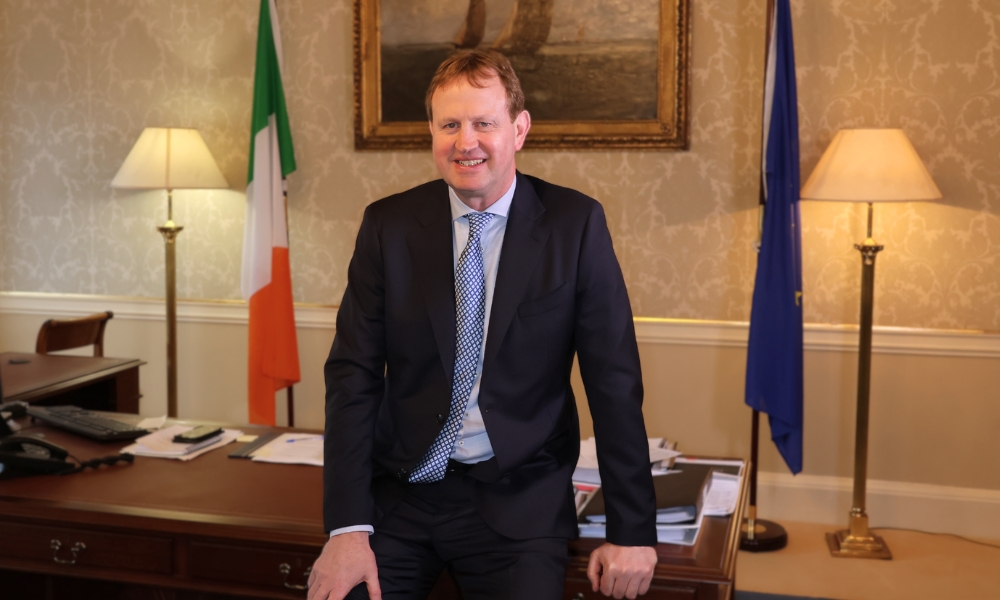
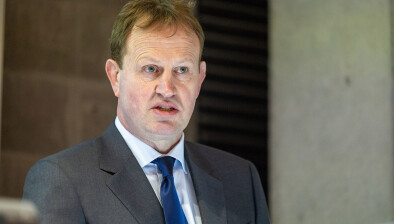
Jim O'Callaghan
The Irish government has set out more details of planned legislation to enable co-operation with the UK’s Omagh bombing inquiry.
The inquiry, which began in July 2024, is examining the preventability of the 1998 bombing, which was orchestrated by the Real IRA and led to the deaths of 29 people and two unborn children as well as injuries to 220 people.
The International Co-operation (Omagh Bombing Inquiry) Bill 2026 will be published later this week following government approval today.
The bill is designed to enable the taking of oral testimony before the Irish courts for the purposes of the inquiry.
It is modelled on the mechanism contained in section 3 of the Criminal Justice (International Co-operation) Act 2019 to enable the taking of oral testimony for the purposes of UK Troubles-related inquests but includes “a number of important new features”.
These new features include extending the mechanism to other State bodies in addition to An Garda Síochána and to both current and past members of An Garda Síochána, the Defence Forces and departmental officials, and to former ministerial office holders.
Core participants to the inquiry, principally family members and survivors and their legal representatives, will be facilitated to be present and hear first-hand the evidence given before the High Court judge.
The new features also enable the chairperson or counsel to the inquiry to ask questions to clarify evidence given by a witness to the judge.
The Irish government says these features are “in the interests of the victims’ families and survivors and their search for truth and accountability”.
The mechanism will be available to the chairman over the lifetime of the Inquiry and will allow for assistance to be sought as matters arise in the course of its work.
Justice, home affairs and migration minister Jim O’Callaghan said: “Obtaining government approval to present this bill to Dáil Éireann in the coming days is another important milestone in delivering on the government’s commitment to facilitating and supporting the work of the Omagh inquiry.
“This legislation relating to oral testimony will add to the suite of measures already implemented.
“This includes the memorandum of understanding which I signed with the chairman of the inquiry last April relating to the disclosure of Irish State materials, and the data protection regulations that I signed in November to enable the disclosure of sensitive personal data to the inquiry.
“Our commitment, alongside that of the UK government, is essential to addressing the enormous impact of Troubles-related violence and the legitimate needs and expectations of victims’ families and survivors who have long searched for truth and accountability.
“The Kenova final report which we debated in Dáil Éireann last month is another forceful reminder of the appalling suffering inflicted by the brutality of the Troubles.
“Assisting an inquiry established under the law of another sovereign state is legally complex and requires innovative solutions.
“The bill will provide a robust statutory framework that seeks to maximise the assistance to be provided to the Inquiry to fulfil its terms of reference while also safeguarding, insofar as that is necessary, the essential interests of the State and the rights of witnesses involved.
“The need for any further action to be taken by the government in the course of, or following the conclusion of the inquiry, will be kept under review.”
He added: “The bill provides for the participation of former ministerial office holders subject to the same protections as those afforded to other former office holders such as members of An Garda Síochána and officials. Those protections include that any participation is voluntary.
“This extension takes account of the inquiry’s terms of reference which include investigation of the approach taken by UK state authorities to security normalisation before and after the Good Friday Agreement.
“In the event that the Inquiry forms a view that a former ministerial office holder has relevant evidence to give in relation to the approach taken by the UK authorities, it is appropriate that we have a suitable mechanism in place to facilitate the taking of such evidence on a voluntary basis.”

Share this article:

Subscribe to our newsletter to not miss articles like this one:
 SUBSCRIBE