

Legal aid talks continue as O’Callaghan considers changes to payment reforms
 Reading time: 2 minutes
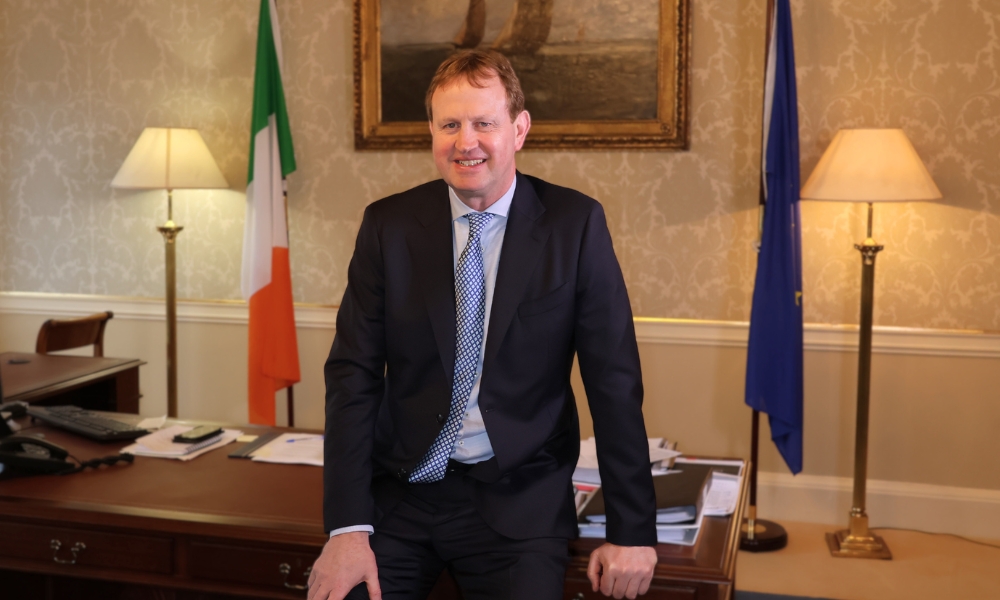
Jim O’Callaghan
Justice minister Jim O’Callaghan is to continue talks with the legal profession in an effort to resolve the dispute over reforms to the criminal legal aid payment system.
The minister met representatives of the Law Society yesterday, but many solicitors are pressing ahead with plans to withdraw legal aid services, causing delays to criminal cases in courts across the country.
Mr O’Callaghan remains committed to replacing the previous payment model with a flat fee of €540 per case. However, he has indicated he is willing to consider proposals from the Law Society relating to the timing of payments and remuneration for longer and more complex cases.
The Law Society said it supported reform of the criminal legal aid scheme but described the new arrangements as “unworkable and impractical”.
It said representatives “outlined exactly where the significant issues lie, and proposed solutions to address them”.
The society added that it would “continue to engage with the Department of Justice in the coming days to try to find a workable way forward”.
Before the reforms came into force on 1 July, solicitors received €240 for a first District Court appearance and €60 for each subsequent appearance in criminal legal aid cases.
The new regulations provide for a single fee of €540 per client, with one legal aid certificate issued for all charges listed together at the outset of proceedings.
Mr O’Callaghan has said the reforms are intended to address abuses of the previous system, under which solicitors could receive additional payments for multiple adjournments. He argues this increased costs and contributed to delays in the courts.
The Department of Justice has cited cases in which multiple legal aid certificates were issued for individual defendants. In one Dublin case involving at least 130 money laundering charges, 130 certificates were issued, resulting in payments of up to €31,000 to a solicitor’s firm for a single court sitting.
Solicitors have disputed the suggestion that adjournments are primarily driven by the defence, noting that delays often arise for other reasons.
While the minister has ruled out a return to the previous payment model, he has signalled a willingness to make changes in response to concerns raised during negotiations.

Share this article:

Subscribe to our newsletter to not miss articles like this one:
 SUBSCRIBE