
Labour Court: appeals down but cases becoming more legally complex
 Reading time: 2 minutes
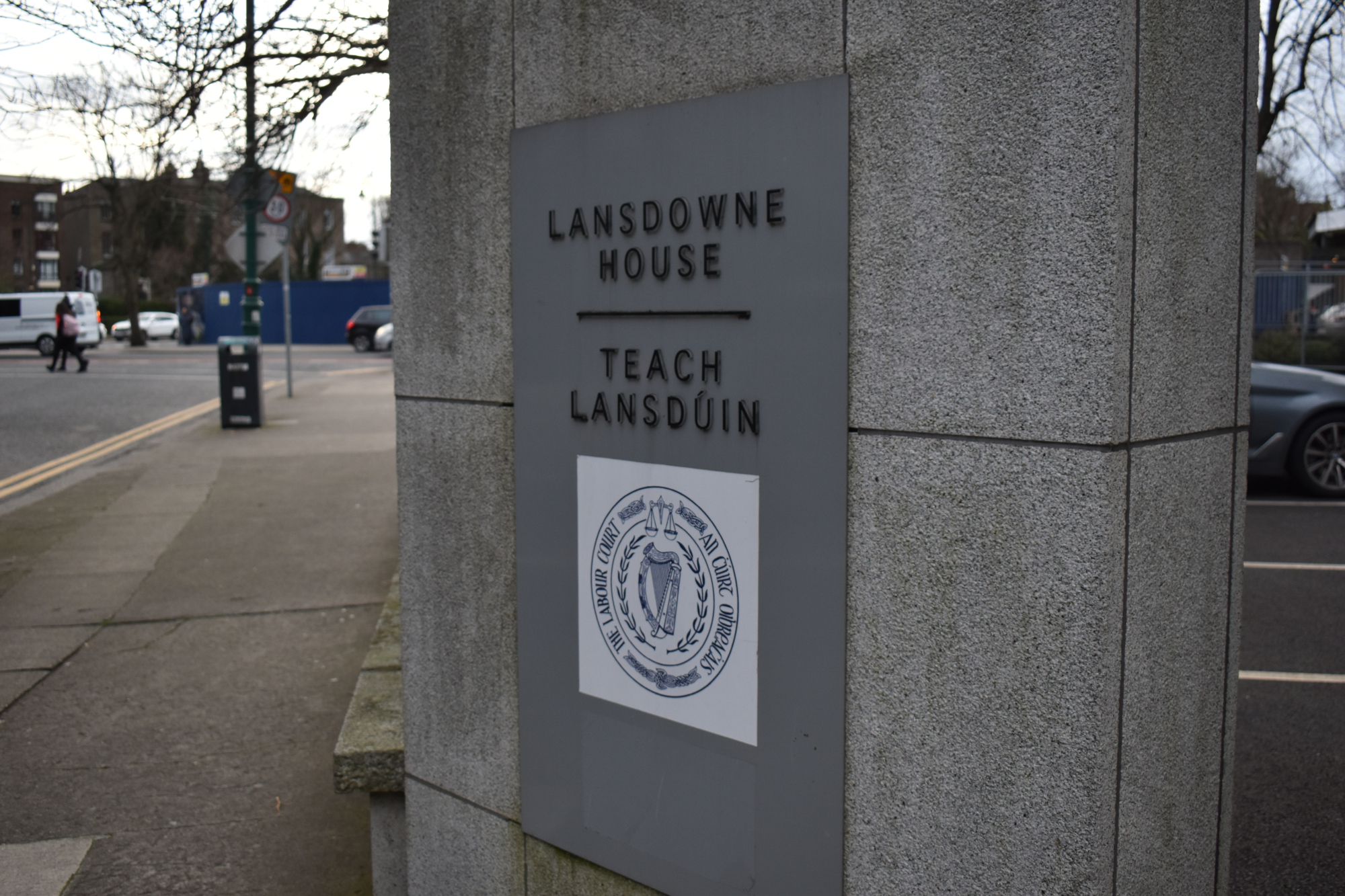
Appeals to the Labour Court are down 11 per cent but there has been no reduction in workload as cases become more legally complex and require more sitting days, according to the court’s latest annual report.
The Labour Court hears appeals and referrals from the Workplace Relations Commission. The bulk of its work in 2025 was appeals of employment rights decisions, accounting for 775 of the 992 appeals received or 78 per cent.
The remaining 22 per cent were referrals under industrial relations legislation. Although smaller in number the chairman, Louise O’Donnell, commenting in her foreword, notes that they have wider impact “as the outcome can affect numerous workers across multiple sectors”.
The largest category of appeal was unfair dismissal, closely followed by equality.
As regards the issue of employment status the Karshan case remains significant. In the case of Department of Education v Piggott the court considered whether a home tutor was an employee of the Department of Education. Applying Karshan, the court found that the arrangements were not consistent with a contract of employment and the Department acted more as a payroll agent administering grants paid to parents who directly engaged the tutors. The Department did not exercise sufficient control over how the tutoring service was provided.
Mandatory retirement age was also an issue. In An Garda Síochána v Tom Ronan, the court overturned a WRC finding of age discrimination arising from compulsory retirement at 70.
The court regarded the retirement requirement as implementation of State policy and relied on the Supreme Court’s decision in Mallon v Minister for Justice, Ireland and the Attorney General, which upheld the State’s mandatory retirement age of 70 as consistent with CJEU jurisprudence. This decision has been appealed to the High Court.
Some never statutory rights are also starting to appear, with cases regarding the Sick Leave Act 2022 accounting for the eight appeal cases, up 300 per cent on 2024. There were also cases in relation to the Work Life Balance and Miscellaneous Provisions Act 2023, Carer’s Leave, Parent’s Leave and road-transport working time.

Share this article:

Subscribe to our newsletter to not miss articles like this one:
 SUBSCRIBE