


Written by:

Gillian O'Hanlon BL
Case Reporter
High Court: Child taken into care from mentally ill mother not illegally detained
 Reading time: 5 minutes
Written by:
Gillian O'Hanlon BL
Case Reporter
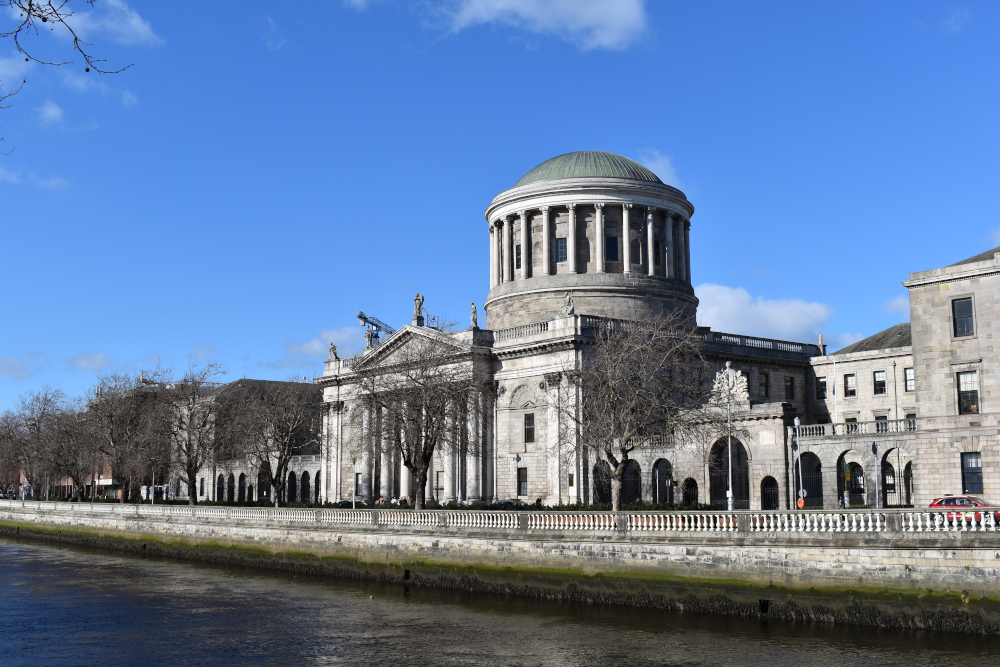
The High Court has determined that a child was lawfully taken into care by the Child and Family Agency in circumstances where his mother suffered with a paranoid personality disorder.

About this case:
- Citation:[2026] IEHC 462
- Judgment:
- Court:High Court
- Judge:Mr Justice Brian Cregan
Delivering judgment for the High Court, Mr Justice Brian Cregan described the case as being “most unfortunate” but was satisfied on the evidence that the child was in the lawful care of the Child and Family Agency, was being “well cared for” and was not unlawfully detained.
Background
The applicant, Ms B, appeared before the court on a number of occasions indicating that there were issues relating to her son which the court needed to consider.
While the court had not yet heard any of Ms B’s applications as no proceedings had issued, the court was willing to consider a three-year old habeas corpus application located amongst the significant amount of papers handed to the court, which application did not appear to have been made or considered prior, and directed the Child and Family Agency (CFA) to file a replying affidavit.
In her affidavit, Ms B stated inter alia that she had recovered from depression and cervical cancer around the time of her son’s birth and that her child had been “taken illegally and held hostage”.
In its replying affidavit, the CFA outlined that that the applicant’s son, N.B. was now 10 years old and that the applicant had been known to the CFA prior to his birth on 20 January 2016.
The CFA exhibited a medical report of consultant psychiatrist, Dr John D Sheehan, who saw the applicant two days following N.B.’s birth, which opined that the applicant had a severe personality disorder with “strong paranoid and persecutory ideas” and that she would not be fit to have responsibility for her son.
The replying affidavit detailed that in February 2016, the child had been taken into the CFA’s care by order of Dundalk District Court made pursuant to the Child Care Act 1991.
A report from a second consultant psychiatrist, Dr Barbara Farraher, dated June 2016 concluded that the applicant suffered from a paranoid personality disorder. An updated report from Dr Sheehan dated December 2016 stated that the applicant’s mental state had remained essentially unchanged since her original assessment and that while she had “no insight” and was socially isolated, “she clearly loves her son.”
On 11 July 2017, a care order was made in respect of N.B. until he reached the age of majority. The CFA described the applicant’s appeal to the Circuit Court against the order, during which evidence was given on behalf of the CFA to the effect that the child’s development and welfare would be unavoidably impaired and neglected unless the court made an order pursuant to s.18 of the 1991 Act and that it was in the best interests of the child that the order be made until he reached the age of majority.
Noting that the Circuit Court had affirmed the District Court’s order, the CFA also described numerous further applications brought by the applicant before various courts challenging her child being taken into care, following which the child remained in care.
The CFA explained that regular access taken place within the first years of the child’s life, which had ceased due to concerns about the applicant’s behaviour during access, including her refusal to return the child to the social worker, attempting to leave with the child and becoming aggressive towards staff while holding the child.
The CFA reiterated that it would be gravely concerned for the health, development and welfare of the child should he be returned to the applicant’s care, that he presented as “happy, settled, and comfortable within his foster family” and had developed a “strong attachment to his foster carers and foster sibling.”
The High Court
Noting that Ms B had been offered an opportunity to file a replying affidavit but had declined to do so, Mr Justice Cregan turned to the evidence before him.
Having regard to the evidence, Mr Justice Cregan considered that it was “clear” that there were valid grounds for the CFA to have taken the child into care and that the child was lawfully taken into care pursuant to orders of the District Court and Circuit Court.
Noting that the case before the court was “most unfortunate”, the judge was satisfied that based on the evidence of the CFA, N.B. was in its lawful care, was being well cared for and that “this court should not interfere in these arrangements” where the District Court and Circuit Court had made valid and lawful care orders.
Mr Justice Cregan highlighted that in circumstances where N.B. was lawfully in the care of the CFA and was not lawfully detained, if Ms B wished to obtain greater access to N.B., the proper course of action would be to bring a further application to the District Court.
Conclusion
Accordingly, the High Court refused the application.
N.B. (Through his Next Friend Mother and Guardian P.B.) v Child and Family Agency [2026] IEHC 462

Share this article:

Subscribe to our newsletter to not miss articles like this one:
 SUBSCRIBE