


Gardaí to deliver school lessons on non-consensual image sharing
 Reading time: 3 minutes
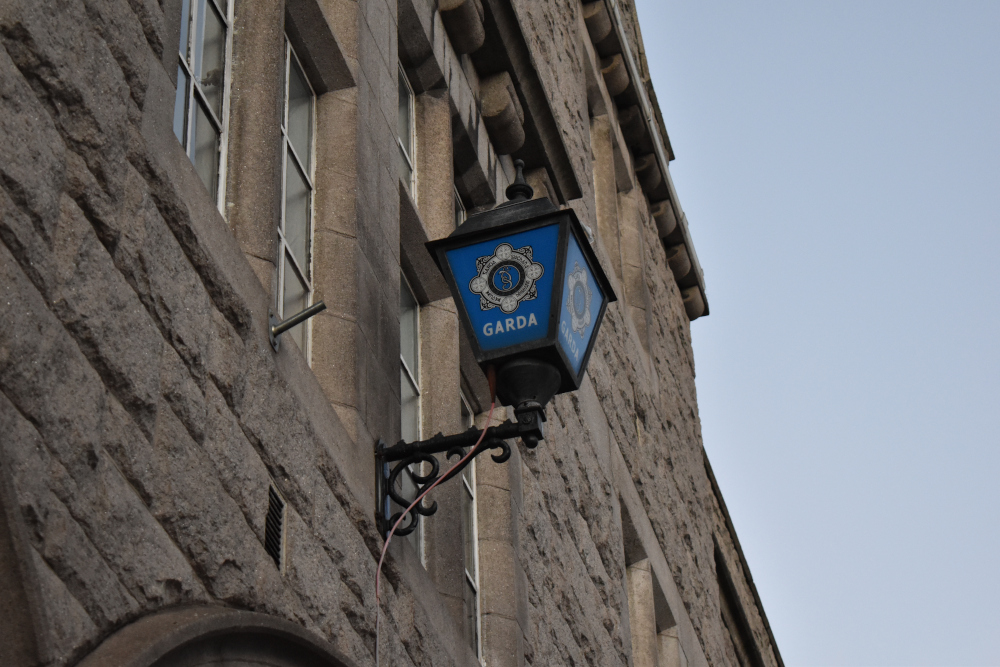
Gardaí are set to deliver classroom lessons in Irish secondary schools on the law around online harassment and intimate image abuse.
The new Garda schools programme lesson on the Harassment, Harmful Communications and Related Offences Act 2020 – also known as ‘Coco’s law’ – was developed in partnership with Webwise and launched at a Dublin secondary school on Friday.
The lesson provides a clear breakdown of the legislation, which names new specific offences regarding online activity, particularly focusing on sending threatening or offensive communications, and the non-consensual sharing of intimate images.
It is designed to empower students to recognise key offences and understand that they are legally accountable for their digital actions, by explaining the existing legislation, facilitating discussion around respectful relationships and consent, and educating students using scenarios.
Education and youth minister Hildegarde Naughton said: “Student online wellbeing and safety remains a central priority for the Department.
“This new lesson, developed by Webwise in partnership with An Garda Síochána, reflects our ongoing commitment to equipping young people with the knowledge and understanding they need to navigate the digital world safely and responsibly.
“Importantly, the programme not only raises awareness of the legal consequences of inappropriate behaviour online, but also empowers students to make respectful, informed choices and to seek support when they need it.
“I also want to pay tribute to Coco, whose experience has had a profound and lasting impact on this work. Both she, and her family, have helped shape a stronger, more informed response, and continues to guide how we educate and protect young people in this area.”
An Garda Síochána assistant commissioner Catherina Gunne added: “Given that most young people now carry a smart device, this lesson isn’t just about explaining the law; it’s about empowering students to be independent and safe.
“We are moving beyond ‘internet safety’ as a concept and into the reality of legal responsibility. We want to protect students from exploitation and ensure they understand that every click and share has a real-life consequence.”
Detective superintendent Sinéad Greene from the Garda National Protective Services Bureau said: “The inclusion of this lesson in the Garda schools programme is timely and will help to educate young people to understand the dangers of sending threatening or offensive communications, and the non-consensual sharing of intimate images.
“At the Online Child Exploitation Unit, we see first-hand how exposure to graphic or child sexual abuse material (CSAM) can have profound and lasting impacts on young people’s mental health.
“Empowering young people with knowledge is one of the strongest protective tools we have. When they understand what illegal content looks like, why it is harmful, and how to respond, they are in a stronger position to keep themselves and others safe.”
From January 2023 to the end of February 2026, An Garda Síochana initiated over 400 charges and summons for offences under the 2020 Act (not including incidents involving under-18s in cases where they have been dealt with following a referral to the juvenile diversion programme).
Over the same period, gardaí have recorded 552 reported incidents of distributing grossly offensive communication to cause harm, 1,140 reported incidents of distributing/publishing/recording intimate image(s), and 175 reported incidents of recording intimate image(s) causing interference/alarm.

Share this article:

Subscribe to our newsletter to not miss articles like this one:
 SUBSCRIBE