



Garda powers bill will respond to Irish and EU court rulings
 Reading time: 3 minutes
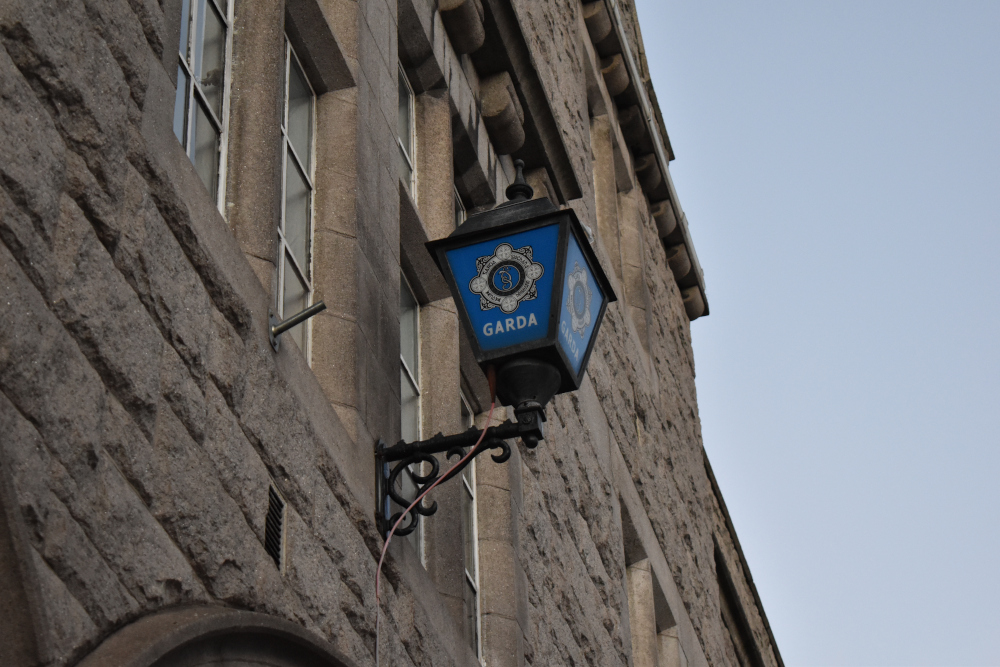
New legislation on Garda powers will respond to judgments from the Supreme Court and the Court of Justice of the European Union.
The Garda Síochána (Powers) Bill 2025 was published just after Christmas and will modernise and consolidate the statutory basis for certain Garda powers, including search, seizure and detention.
The bill will reform legislation on search warrants in light of judgments from the Supreme Court. It will make specific provision for tailored search warrants authorising the seizure and search of electronic devices and for the assessment of claims of privilege.
This includes, under section 23, strengthened rights for individuals to be informed about authorised access to data on seized electronic devices, in line with the Landeck judgment of the Court of Justice of the European Union.
It will provide the necessary authorisations for judges to grant the accessing of physical or digital material and creates a statutory mechanism for authorising examination of devices seized without prior judicial approval.
It will also ensure that privileged material is handled through a judicially supervised process.
Legal professional privilege is protected as absolute, while other forms of privilege will be managed through a structured process, including through a determination by the High Court, under section 24, if required.
Justice, home affairs and migration minister Jim O’Callaghan said: “I am pleased to publish this long-awaited legislation which will modernise and consolidate our laws in this area.
“It is essential that the law is clear on the powers of search and examination of electronic devices by gardaí investigating crime.
“We have responded to recent judgments in the courts to ensure our search warrant regime is robust and future-proof, with the relevant safeguards in place.
“We have also introduced clear statutory procedures for dealing with privileged material, which recognise the fundamental nature of these principles in areas such as the legal profession and journalism.”
The bill will also include provisions on Garda powers to stop and search, such as requirements for gardaí to make a formal record of all searches and powers for gardaí to stop and search a person or vehicle in a public place where they reasonably suspect possession of a relevant article as defined in the legislation.
Additionally, the bill also places on a statutory footing the existing right of people in custody to consult a solicitor before and during interview, provides for electronic recording of interviews by gardaí and will modernise the custody framework.
“The law in this area is complex and so this legislation will bring together much of the existing law on police powers to ensure it is clear, transparent and accessible,” the justice minister said.
“This bill is grounded in the principle that human rights are the foundation and purpose of policing, and that the justification of police powers is the broader responsibility to protect the rights of others.
“This includes both the rights of those suspected or accused of a crime, as well as the human rights of all members of society to live free from violence, abuse, crime and fear.”

Share this article:

Subscribe to our newsletter to not miss articles like this one:
 SUBSCRIBE