

Belfast High Court challenge raises unique issues over Palestine Action ban
 Reading time: 3 minutes
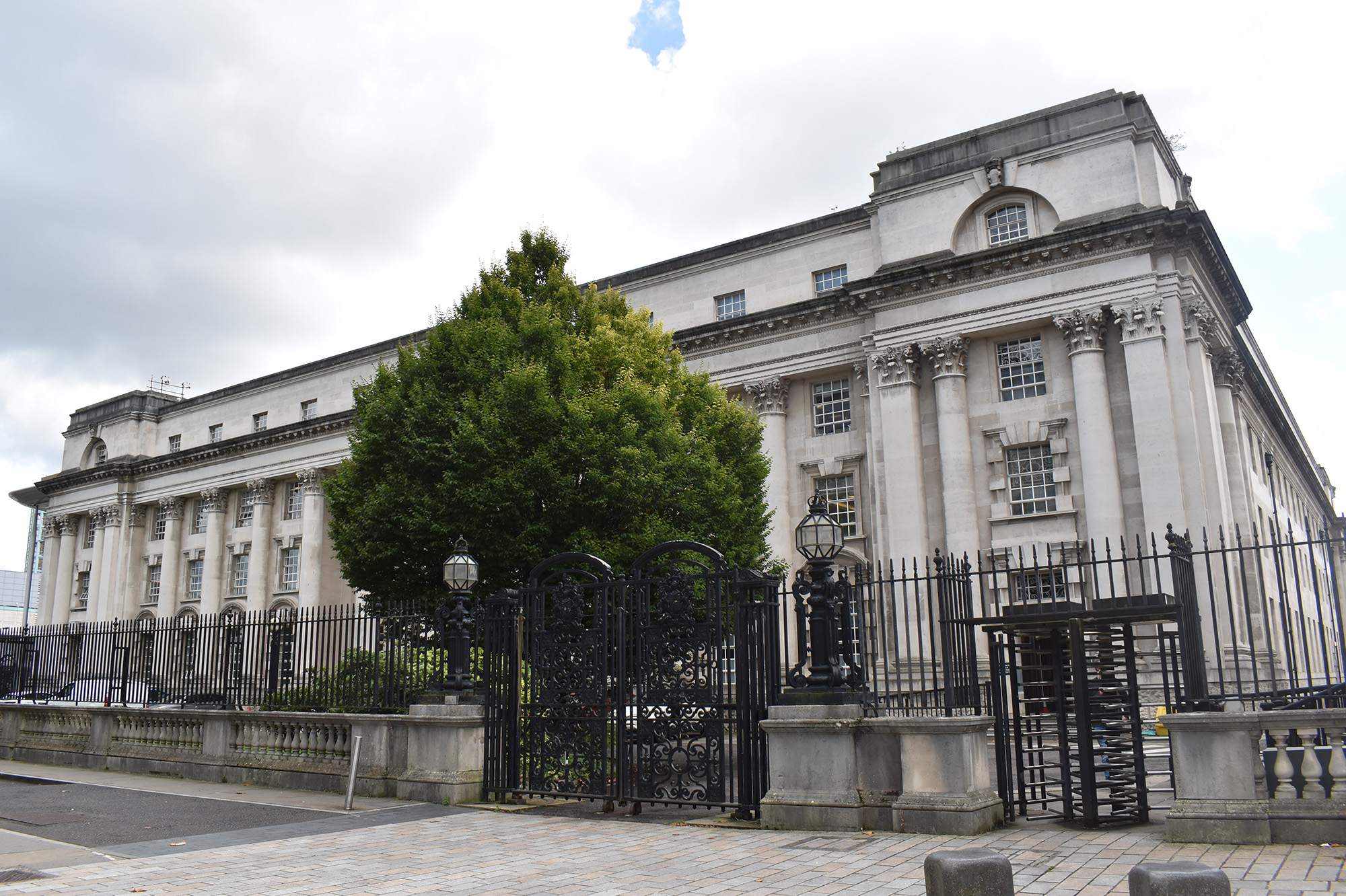
A judicial review challenge was launched at Belfast High Court on Friday on behalf of Belfast woman Máire Mhic an Fháilí challenging both the decision to proscribe Palestine Action and the subsequent actions taken against her by the PSNI.
The case raises issues unique to Northern Ireland which distinguish it from related legal challenges brought in England and Scotland.
The applicant, a lifelong campaigner on Palestinian rights and a 75-year-old Belfast resident, was arrested after attending a peaceful protest opposing the proscription of Palestine Action. She was wearing a T-shirt bearing the slogan “We Are All Palestine Action” and was subsequently arrested by PSNI officers under terrorism legislation.
The judicial review argues that the proscription decision cannot be viewed in isolation from the circumstances here, where terrorism legislation continues to operate against the backdrop of a post-Conflict society and ongoing issues concerning paramilitary symbolism, flags and murals.
The challenge contends that the Secretary of State failed to consider the practical and constitutional implications of introducing the Palestine Action proscription within a jurisdiction where police policy has long recognised the complexity of enforcing terrorism legislation in relation to expressions associated with proscribed organisations.
Unlike the challenges brought in England and Scotland, these proceedings focus specifically on how the Proscription Decision operates within the distinct legal, policing and constitutional landscape of the North of Ireland. The applicant contends that those considerations were not properly factored into the decision-making process before the Proscription Order was made.
The case also challenges the lawfulness of the applicant’s arrest and subsequent treatment by the PSNI.
An investigation by the Police Ombudsman concluded that an arresting officer acted oppressively and found that no meaningful effort was made to obtain translation assistance when the applicant provided her details in the Irish language.
The proceedings further raise concerns about the disparity between the policing response to peaceful Palestine solidarity protest and the PSNI’s longstanding approach to paramilitary flags and displays.
Owen Winters of KRW Law said: “This challenge raises issues unique to the North of Ireland which were not before the courts in England and Scotland.
“For many years the PSNI has operated on the basis that enforcement action relating to paramilitary flags should be reserved for the most extreme circumstances. Yet the effect of the Palestine Action proscription has been to shift attention away from the most harmful activity and material and towards conduct involving no expression of violence whatsoever.
“Instead, we have seen the criminal law deployed against elderly protesters such as this applicant whose motivation is opposition to the ongoing genocide in Gaza. The court is being asked to consider whether a decision taken without regard to this jurisdiction’s unique circumstances can lawfully justify such an outcome.”
Ms Monye Danes KC and Mr Malachy McGowan BL are instructed.

Share this article:

Subscribe to our newsletter to not miss articles like this one:
 SUBSCRIBE