

Apple challenges $500m UK patent payout in UK Supreme Court battle
 Reading time: 3 minutes
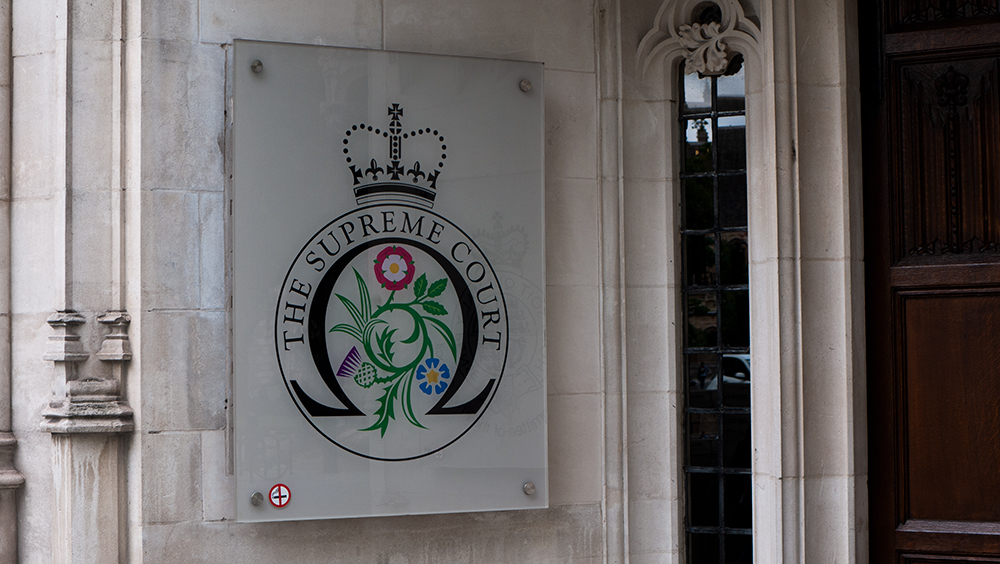
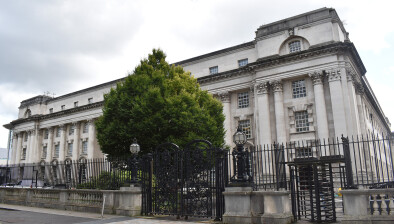
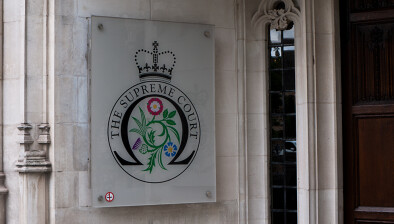
Apple has begun a UK Supreme Court challenge against a ruling requiring it to pay more than $500 million to license mobile technology patents used in iPhones and other devices.
The hearing before the court is the latest stage in a long-running dispute with patent owner Optis over the royalties payable for technology underpinning voice and data communications on mobile devices.
The case is being closely watched by the technology sector because the court’s ruling is expected to influence how global royalty rates are calculated for similar patents.
Optis, which is owned by funds managed by New York-based investment firm Brevet Capital, acquired a portfolio of patents originally developed by companies including Ericsson, Samsung and Panasonic. After licensing negotiations broke down in 2019, Optis sued Apple in England, where courts can determine worldwide royalty rates for standard-essential patents.
In 2023, the High Court ordered Apple to pay $56 million. However, the Court of Appeal increased the award to $502 million last year, relying in part on a licensing agreement between Optis and Google as a benchmark and allowing royalties to be backdated to 2013 rather than applying a six-year limitation period.
Apple accepts it must license the patents on fair, reasonable and non-discriminatory (FRAND) terms, but argues the Court of Appeal’s methodology was legally flawed.
In written submissions, the company said the court’s approach to valuing the licence was “arbitrary” and warned that inconsistent royalty calculations could have global consequences.
Apple argued: “If the UK courts’ approach to determining rates is subjective, unprincipled or erratic, this damages the proper functioning of industries worldwide.”
The company also said excessive royalty awards would ultimately “harms innovation, quality and product prices borne by consumers”.
Optis disputes those claims, arguing Apple has consistently resisted paying appropriate licence fees by challenging the validity or essentiality of patents.
Its lawyers told the court: “Every single patent which is raised with Apple receives the same response: that a licence is not needed, as the patent is either not essential or invalid.”
They argued the High Court’s original valuation contained “numerous errors” and that the Court of Appeal had been correct to overturn it.
The case has attracted interventions from several major companies. Apple is backed by Intel and a group of Hollywood film studios, while chipmaker Qualcomm is supporting Optis, arguing Apple’s proposed approach would undermine incentives for innovation.
The appeal is being heard by a panel of five Supreme Court justices led by Lord Reed. A ruling is expected at a later date.

Share this article:

Subscribe to our newsletter to not miss articles like this one:
 SUBSCRIBE