



And finally… cokeheads
 Reading time: 1 minute
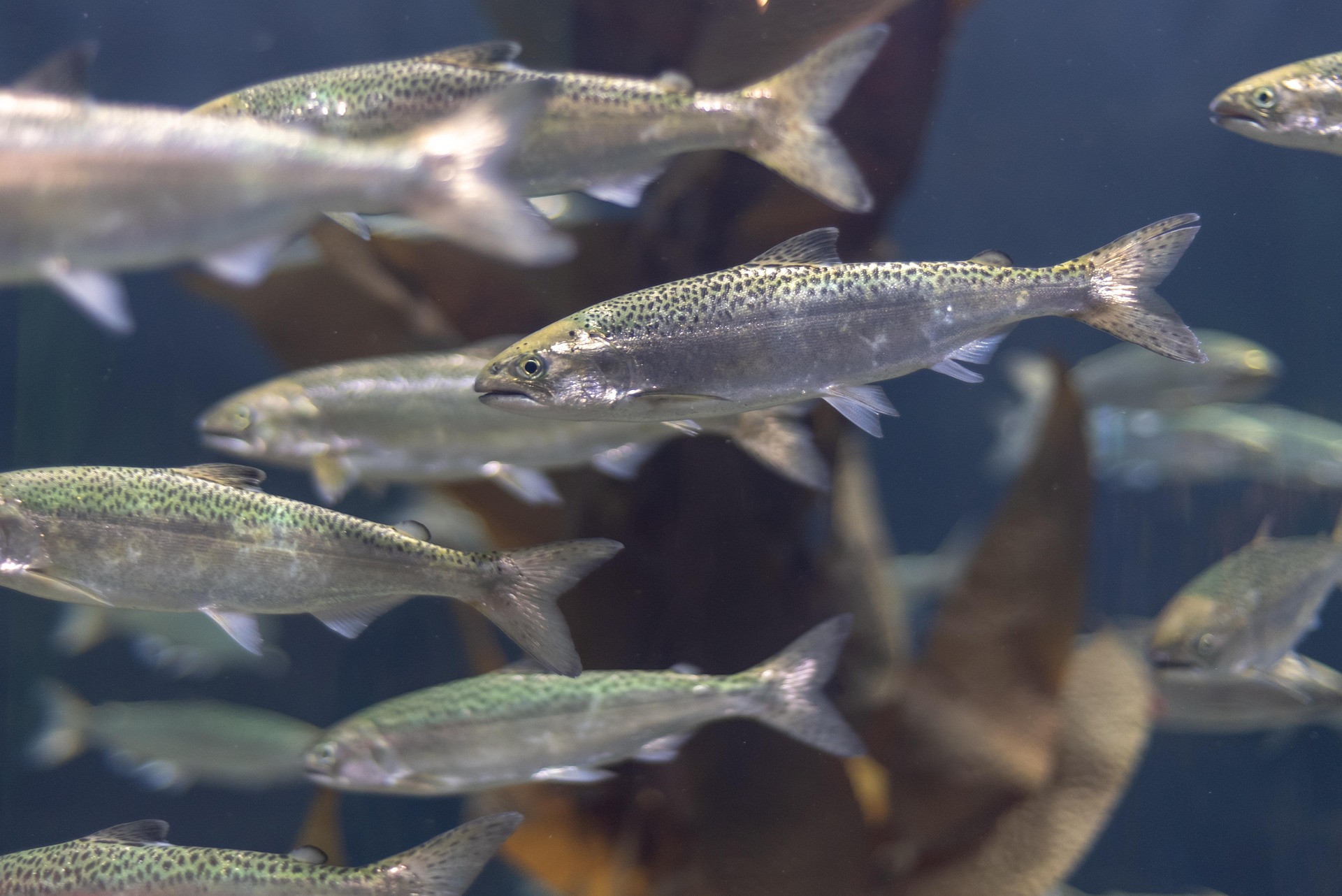
Trace amounts of cocaine in rivers and lakes may accumulate in the brains of salmon and disrupt their behaviour, scientists have found, raising concerns about the potential impact on wild populations.
In a study of juvenile Atlantic salmon, fish exposed to cocaine and its main breakdown product swam further and dispersed more widely, suggesting the pollutants can influence movement, feeding patterns and vulnerability to predators.
“Largely we don’t know the consequences, but I expect there to be trade-offs,” said Dr Jack Brand of the Swedish University of Agricultural Sciences. “They may end up in worse condition or have to offset it by foraging a lot more, meaning they spend more time out in the open.”
Researchers tracked hatchery-reared salmon fitted with implants releasing environmentally realistic levels of the substances in Sweden’s Lake Vättern. Over two months, exposed fish became more active, with those exposed to the metabolite travelling nearly 14km further than controls.
Scientists say the broader ecological effects remain unclear, but warn drug pollution is an “escalating risk to biodiversity”, with raw sewage a key source of contamination in waterways.

Share this article:

Subscribe to our newsletter to not miss articles like this one:
 SUBSCRIBE